What Is the Best Smart Lighting System for Your Home?
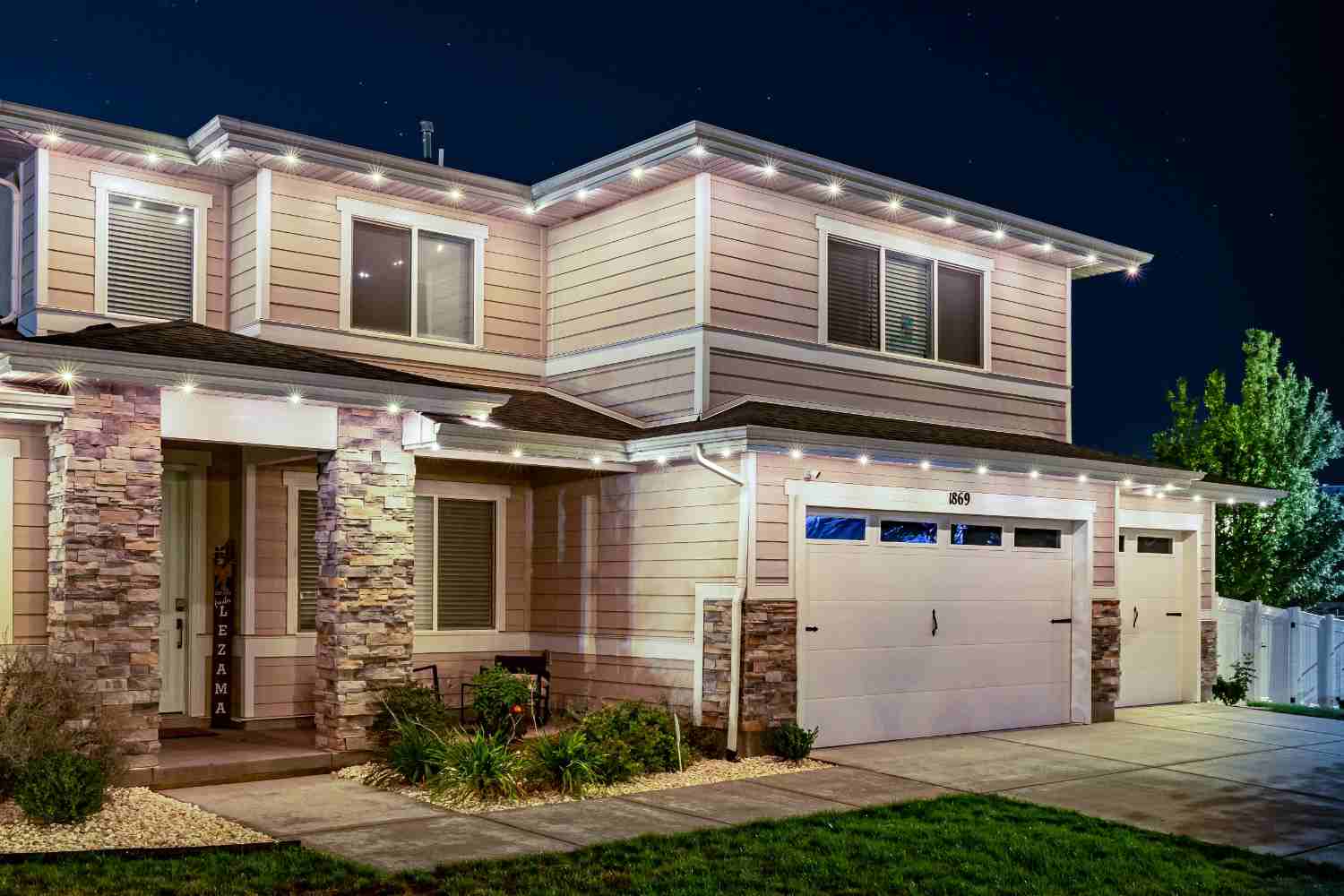
The best smart lighting system for a home depends on the property layout, lighting goals, preferred controls, and whether we want permanent installation or a DIY option. Permanent roofline, landscape, patio, and specialty lighting each meet different needs. They support year-round curb appeal, outdoor entertaining, pathway visibility, and seasonal displays.
Key Takeaways
- We should choose lighting based on the areas we need to illuminate, including rooflines, patios, pathways, trees, palms, and landscape features.
- We should select controls we’ll use regularly, such as schedules, timers, preset scenes, color settings, and independent lighting zones.
- Professional installation delivers a discreet, precise result for complex rooflines and full-property lighting plans.
- DIY lighting can suit smaller or temporary projects. However, it requires mounting, cable management, troubleshooting, and seasonal removal where needed.
- We should compare quotes by coverage, access, power needs, installation difficulty, warranty terms, maintenance, and future expansion options.
The Best Choice Depends on Your Home, Goals, and Installation Preferences
There is no single best smart lighting system for home because each property, budget, and lighting goal is different. We get better results by matching the system to the areas we want to light, how often we’ll use it, and the level of installation support we prefer.
A smart lighting system for home gives us convenient control over outdoor lighting features that are confirmed for the selected product. Depending on the system, that may include app-based controls, schedules, preset scenes, timers, color options, and access for members of the household. Smart controls should make lighting easier to manage, not add features we won’t use.
We recommend looking beyond the initial price or a familiar brand name. The right system should fit the home’s appearance, be straightforward to operate, hold up to outdoor conditions, and have clear options for maintenance, support, and future expansion.
A professionally installed roofline system is often a strong choice for homeowners who want a clean exterior appearance, color options throughout the year, and less seasonal setup. Permanent outdoor lighting options can provide a more integrated look than temporary strands and clips.
DIY lighting can work well for renters, smaller projects, short-term needs, or homeowners who are comfortable mounting fixtures, managing cables, and handling troubleshooting. Landscape and patio systems fit homes that prioritize pathways, outdoor entertaining, architectural accents, or backyard visibility. A mixed plan can combine roofline lighting with focused illumination for patios, palms, trees, and landscape features.
Every system requires thoughtful design. Where applicable, it also needs dependable connectivity or a reliable control setup, plus occasional app updates or troubleshooting. Permanent systems involve an upfront investment, so we should select features that suit how we actually live at home.
Smart Outdoor Lighting Options: What Each System Is Designed to Do
Lighting categories often overlap, but they do not solve the same problem. Identifying the intended location and use helps us choose smart outdoor lighting that feels purposeful rather than scattered.
Permanent roofline lighting is installed along eaves, fascia, or trim. It suits homeowners who want a discreet, built-in look for holidays, celebrations, game days, and everyday curb appeal. Permanent holiday lighting can remain in place throughout the year while supporting different occasions through available control features.
Landscape lighting focuses on walkways, plants, trees, architectural elements, and yards. It improves visibility and adds definition to outdoor spaces after dark. Our landscape lighting services are a practical fit for pathways, planting beds, focal points, and outdoor gathering areas.
Bistro lighting and patio lighting support pergolas, patios, outdoor kitchens, and backyard seating. These systems create a comfortable setting for entertaining without needing to light the entire property. Palm tree lighting and other specialty accent lighting can highlight the distinctive palms and focal landscaping common across Phoenix-area homes.
Plug-in string lights and temporary holiday lights remain practical for lower-commitment projects. However, they can involve visible cords, clips, seasonal installation, removal, and storage. Smart bulbs, security lights, and broader indoor automation products can be useful additions, but they are different from a complete outdoor lighting plan. For areas where visibility and deterrence are key priorities, consider dedicated security lighting.
Outdoor lighting can serve well beyond the holiday season. A coordinated plan supports daily curb appeal, birthdays, neighborhood events, patio entertaining, security-minded illumination, and landscape accents. For ideas that fit trees, pathways, and plantings, review these outdoor landscape lighting ideas.
How to Choose the Best Smart Lighting System for Your Home
We should start with the outcome we want, then compare systems against practical requirements. A lighting zone is a separately controlled part of the property, such as the front roofline, backyard patio, or a landscape section. Zones can make a larger project easier to operate and help us avoid lighting areas that are not in use.
A Practical Comparison Checklist
Use this checklist to compare app-controlled outdoor lighting systems and permanent installations:
- Primary use: Decide whether the priority is holidays, curb appeal, celebrations, game days, security-minded illumination, patio entertaining, or landscape accents.
- Lighting location: Identify rooflines, front elevations, patios, backyards, pathways, trees, palms, and any areas that need separate lighting zones.
- Color and scenes: Choose between simple white illumination, changing colors, or customizable outdoor lighting scenes for seasons and events.
- Control experience: Ask how scheduling, preset scenes, timers, household access, and available app functions work for the exact product.
- Installation appearance: Compare visible cords and clips with a more discreet permanent installation that follows the home’s architecture.
- Power and complexity: Confirm power access and consider the added planning needed for rooflines, patios, landscaping, and multiple lighting areas.
- Ownership and expansion: Review maintenance, support, troubleshooting, warranty coverage, and whether the system can grow with future projects.
We recommend prioritizing the features we will use regularly. Paying for advanced scenes or extensive controls makes sense only if those features support the way we plan to use the property. For projects that need coordinated operation, smart lighting automation can help organize lighting around schedules and occasions based on the selected system’s confirmed capabilities.
Professional Installation vs. DIY Smart Lighting
DIY outdoor lighting and professional permanent outdoor lighting both have a place. The better fit depends on project size, access, desired appearance, and how much hands-on work we want to handle.
DIY projects may cost less at purchase. They also require measuring, mounting, cable management, setup, troubleshooting, and, for temporary products, recurring seasonal work. Simple and accessible projects can be a reasonable DIY choice for homeowners who have the time and confidence to complete them.
Professional installation typically includes planning, custom fitting, labor, and project-specific setup. It is often a stronger choice for complex rooflines, whole-property lighting, or homeowners who want a discreet long-term result. Careful fixture and cable placement matters on stucco exteriors, around patio structures, and within landscaping.
Roofline work and electrical components deserve careful planning. We should ask how installers address mounting methods, component placement, power access, and future service. Warranty coverage can differ between the lighting product, labor, setup, troubleshooting, repairs, and later modifications, so clear written details matter.
Phoenix outdoor lighting and Maricopa County outdoor lighting must also account for intense sun, UV exposure, dust, monsoon weather, stucco construction, and year-round outdoor entertaining. Before choosing any system, ask about product materials, manufacturer specifications, care recommendations, installation methods, and applicable warranty terms. An LED lighting upgrade may also be worth considering when older fixtures no longer meet current lighting goals.
What Affects the Cost and Long-Term Value of Permanent Outdoor Lighting?
Permanent outdoor lighting cost depends on the details of the home and the lighting plan. A useful outdoor lighting quote should account for total roofline length or lighting coverage, one-story or multi-story access, roof pitch, architectural complexity, and accessibility.
Smart outdoor lighting cost also changes with the number of lighting zones, desired control options, available power access, and the type of lighting selected. Roofline lighting, landscape lighting, patio lighting, palm tree lighting, and combination projects each involve different materials and installation requirements. Custom designs and complex fitting can also affect the final scope.
Permanent holiday lighting is an upfront home-improvement investment. It can reduce the recurring effort of putting up, taking down, and storing temporary lights while giving homeowners flexible options for year-round use. Value remains personal. We should compare expected use, preferred exterior appearance, maintenance expectations, and support needs against the initial project cost.
Long-term value often includes convenience, a cleaner exterior appearance, local support where available, and lighting designed around the home’s layout. For a clearer view of project considerations, review Trimlight cost details and request pricing based on the actual property rather than a broad estimate.
Questions to Ask Before Choosing a Smart Outdoor Lighting System
Before making a decision, we should ask providers which areas the system will light and whether it will serve needs beyond holidays. Confirm how important color-changing options, custom scenes, schedules, and straightforward controls are for the selected product.
It also helps to ask how the system will be installed on a roofline, stucco exterior, patio structure, or landscaping. Request verified details on controls, product specifications, component placement, warranty terms, care recommendations, installation, setup, troubleshooting, repairs, and future expansion. General claims do not replace information specific to the proposed system.
We should also confirm what factors are included in the quote, including coverage area, zones, electrical requirements, access conditions, and installation complexity. This gives homeowners a clearer comparison between permanent roofline lighting, patio lighting, landscape lighting, and specialty accents.
For a broader view of outdoor planning, see how LED lighting design can shape an exterior space and explore the benefits of outdoor lighting. If we want help comparing roofline, patio, landscape, or specialty lighting for a Phoenix-area home, request a consultation to discuss the layout, goals, and available project options.