
How Much Does Trimlight Typically Cost?
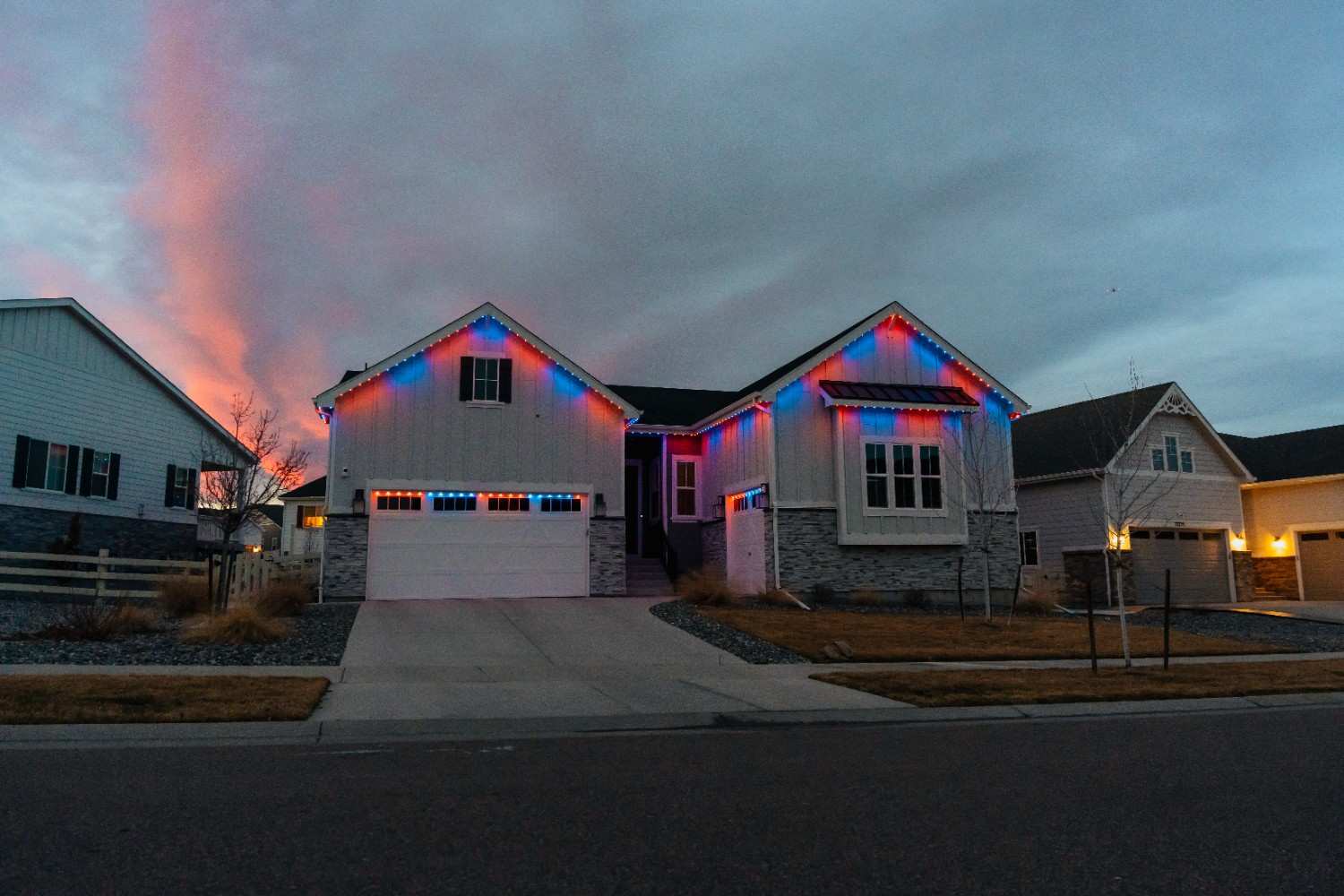
Typical Trimlight Cost
We base the installed price for a Phoenix home on roofline length, layout complexity, installation height, electrical needs, chosen controls, and added lighting areas such as patios or landscape features. We recommend a site assessment for the most accurate quote. Homes with similar square footage can need very different installation plans.
Key Takeaways
- We typically price Trimlight by linear roofline footage and selected exterior lighting areas, rather than interior square footage alone.
- Multi-story access, peaks, gables, tile rooflines, controller locations, and electrical work can affect the total installed cost.
- We recommend confirming that a quote includes materials, installation labor, controls, testing, electrical work, service, and warranty coverage.
- An advertised starting price may exclude the full roofline, extra zones, optional features, or special access requirements.
- Permanent lighting can support holidays, celebrations, entertaining, and architectural accent lighting, based on the chosen system and features.
Trimlight Cost: What Phoenix Homeowners Should Expect
Trimlight permanent outdoor lighting doesn’t have one universal installed price for Phoenix-area homes. How much does Trimlight typically cost? The reliable answer depends on the home’s roofline, installation conditions, selected lighting features, electrical setup, and any added lighting areas.
We don’t publish an unsupported price range because a figure without a site review can leave out important project requirements. Two homes in the same neighborhood may need very different layouts, access plans, controller locations, or electrical work. A personalized quote gives us the clearest price for a home in Phoenix or anywhere in Maricopa County.
Homeowners can review Trimlight pricing information and request a project-specific assessment before making comparisons. That process helps us match the system to the roofline and the lighting goals instead of applying a generic estimate.
Why One Phoenix Home’s Trimlight Quote May Differ From Another’s
A home’s interior square footage doesn’t determine a permanent lighting quote by itself. Permanent lighting is generally planned around the linear footage of the roofline and other selected exterior areas. A compact two-story home with several peaks may require a different approach than a larger single-story home with a simple front roofline.
Total roofline length is a major factor, but it’s only one part of the project. Installation height also matters. Multi-story sections require different access and safety planning than ground-level eaves. Gables, dormers, sharp angles, covered entries, and detailed architectural features can add time and material requirements.
Phoenix and Maricopa County homes also vary in practical ways. Tile rooflines, stucco exteriors, gated access, outlet locations, controller placement, and HOA guidelines can all affect the final installation plan. We review these details before quoting so the proposed system fits the home cleanly and functions as intended.
Additional lighting areas can also change the scope. Some homeowners want lighting limited to the front roofline. Others may include patios, bistro lighting, landscape features, palm trees, side yards, or entertaining areas. Separately controlled areas, added controllers, and selected control options may affect the complete price as well.
What a Complete Professional Trimlight Installation May Include
The cost of lighting materials is different from the cost of a complete professionally installed system. Comparing the two as though they are the same can make one estimate appear lower while leaving out installation work or key components.
A complete project quote may account for layout planning, the lighting system, installation labor, control components, roofline concealment or track-related materials where applicable, access needs, testing, and service or warranty terms. Electrical access or electrical work may also be part of the project if the existing setup requires it. We recommend confirming each item in writing rather than assuming it is included.
Professional installation matters because placement affects the finished appearance. A properly planned layout keeps the roofline presentation consistent and addresses elevated areas without requiring homeowners to manage ladders or seasonal roof access. Testing after installation also helps confirm that the system is operating correctly before the project is complete.
For current product information and available permanent lighting options, homeowners can review our permanent holiday lighting service details. We’ll clarify which components and features apply to the specific proposed installation.
Starting Price vs. the Complete Installed Cost
An advertised starting price may describe a baseline configuration. It may not include the full roofline, higher installation areas, electrical needs, added lighting zones, special access requirements, or optional exterior lighting areas.
How much does Trimlight typically cost in a complete installation? The answer should always identify what the quoted figure covers. We recommend asking whether the number represents materials only, installation labor only, or the full installed project.
A clear quote should also explain the included linear footage and lighting areas. It should identify controllers, zones, controls, and any available app-related features included in that configuration. If the home needs an outlet upgrade, electrical work, or a different controller location, the quote should state whether that work is included or separate.
Homeowners should also ask about testing, service procedures, repair options, and warranty terms before comparing estimates. A lower initial number may cover less of the actual work required. Written clarification makes it easier to compare each proposal fairly.
Permanent Lighting Value Compared With Temporary Holiday Lights
Permanent outdoor lighting and temporary holiday displays serve different needs. Seasonal lights can work well for homeowners who enjoy changing décor each year and don’t mind setup, takedown, storage, and replacement purchases. Permanent lighting may be a better fit for homeowners who prefer a system that stays installed and reduces repeated work around elevated rooflines.
The value is often practical rather than purely financial. Homeowners may consider the time spent installing lights each season, the need to use ladders, storage space for décor, and the effort of replacing worn or damaged seasonal strands. A professionally installed system can remain in place while allowing lighting use beyond the winter holidays.
Depending on the selected configuration and current product options, permanent lighting may support holiday displays, game days, birthdays, family celebrations, outdoor entertaining, and subtle architectural accent lighting. Colors, patterns, scheduling, and mobile-control capabilities can vary by system and should be confirmed during the consultation.
We don’t frame permanent lighting as a guaranteed cost-saving investment or promise a defined payback period. The right choice depends on how often the home will use exterior lighting, the importance of installation quality, and the convenience the household wants over time.
How to Compare Quotes and Decide Whether a Consultation Is Worth It
A consultation is useful when homeowners want an accurate price based on the actual roofline, access conditions, preferred lighting areas, electrical setup, and intended uses. We can assess those details in person and explain the scope before work begins.
Questions to Bring to a Lighting Consultation
Use these questions to compare permanent lighting proposals clearly:
- What is included in the installed price?
- How many linear feet and lighting areas does the quote include?
- Who performs the installation, and what experience do they have?
- Which controls, zones, colors, programming options, or app features are included?
- Does the home need electrical work, and is that work included?
- What warranty coverage is offered, and what exclusions apply?
- How are service requests, repairs, and future system changes handled?
- Are there HOA considerations we need to address before installation?
Common Trimlight Cost Questions
Is Trimlight priced by linear foot? Linear footage is often an important quote factor because it reflects the roofline and selected lighting areas. The complete installed price also depends on height, roofline complexity, electrical needs, selected features, and add-on areas.
Does a Trimlight quote include installation? That depends on the quote. We recommend confirming whether it covers materials, labor, or the complete installed project.
What makes a permanent lighting installation cost more? Multi-story access, complex peaks and gables, electrical work, additional zones, selected features, and added lighting areas can increase the project scope.
Can Trimlight be used for more than holiday lighting? Permanent exterior lighting may support year-round occasions, including celebrations, entertaining, and architectural accent lighting. We’ll verify the available capabilities for the selected system.
Do Phoenix homes need electrical work for permanent outdoor lighting? Some do, while others do not. It depends on existing outlet availability, controller placement, and the home’s electrical configuration.
What should we ask before choosing a permanent lighting installer? Start with the quote-comparison questions above. Clear answers about scope, installation responsibility, electrical work, service, and warranty terms help avoid surprises.
For a quote based on the actual home and lighting goals, request a Trimlight consultation. We’ll review the roofline, discuss the preferred lighting areas, and provide clear guidance on the installation requirements.