What Our Residential Lighting Service Covers
Trimlight Phoenix helps you plan residential outdoor lighting Phoenix homes can use after dark. We discuss your goals, review key areas, and help you choose light placement. Your plan gives each space a clear purpose while keeping your needs central.
Our team handles residential outdoor lighting installation based on your agreed plan. We place the lights, then review their look with you. We adjust placement where needed to help light reach the right spots and create a more balanced display.
Our outdoor lighting services in Phoenix include help with your chosen system’s controls. We explain the features it supports and guide you through setup. You can ask about schedules, colors, and settings so you understand how to use your lights.
Outdoor Spaces You Can Bring to Life With Lighting
Outdoor lights can help you use more of your home after dark. Place them where you walk, sit, or spend time with guests. A clear plan helps you choose which spaces need light the most.
Trimlight Phoenix helps you explore lighting options for your home. We look at your goals and the areas you want to highlight. From paths to rooflines, each space calls for light that fits its use.
Paths, Driveways, and Front Entrances
Use outdoor residential lighting to mark paths, driveway edges, and front steps. Place lights where they help you see changes in ground level. Aim the light toward the walking surface to reduce glare and keep the entrance clear and easy to find.
Patios and Backyard Seating
Choose residential outdoor lighting Phoenix families can use for meals, chats, and quiet time outside. Light seating areas and steps so guests can move around with ease. Keep bright beams away from faces to make the space feel warm, calm, and more inviting.
Desert Plants and Garden Features
Aim lights at trees, cacti, or garden features you want to show after dark. Use soft light to bring out shapes and textures without flooding the whole yard. Keep fixtures clear of plants so growth does not block the light over time.
Rooflines and Exterior Details
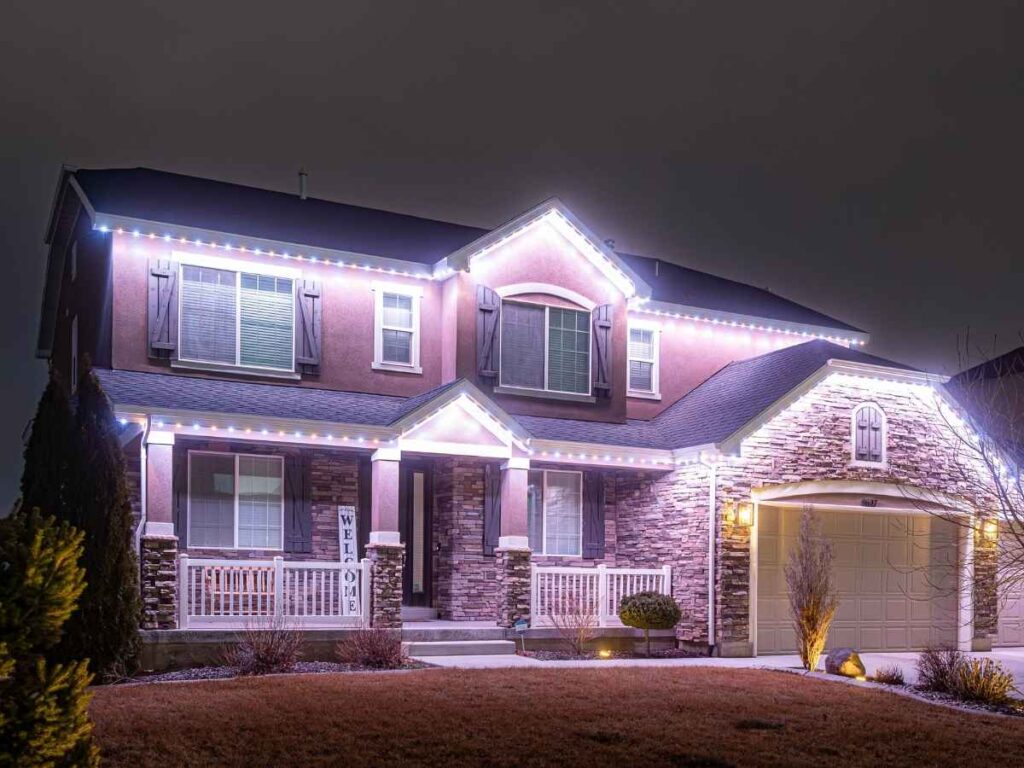
Explore permanent holiday lighting in Phoenix to add color along your roofline for special events. Choose shades that suit your home or the occasion. Discuss placement and light levels to create a neat look that complements your home and respects nearby homes.

Outdoor Lighting That Fits Phoenix Homes and Local Conditions
Trimlight Phoenix helps you plan lights that suit your home, outdoor spaces, and the way you spend time after dark.
Choose Lighting for Local Outdoor Conditions
When planning residential outdoor lighting Phoenix homeowners should consider heat, dust, and rain. Choose fixtures with outdoor ratings that suit their location. Check the maker’s guidance for heat limits and care needs. Placement matters too. Keep lights clear of plant growth and spots where water collects. A suitable product and sound setup help your lighting work as intended. Ask which options fit exposed rooflines, covered patios, or open garden spaces.
Balance Visibility, Comfort, and Light Placement
For residential outdoor lighting installation Phoenix homeowners can start by sharing how they use each space. Check our service areas to confirm coverage. Then discuss these details as we shape your plan.
- Point lights toward paths and steps to show changes in ground level.
- Keep bright beams away from windows and nearby homes.
- Use a soft glow near seats for a calm place to relax and spend time outside.
How We Plan, Install, and Set Up Your Lights
Trimlight Phoenix guides you from your first inquiry to the final walkthrough with a clear plan for your home’s lighting.
Walk Through Your Property
We start by asking how you want to use residential outdoor lighting Phoenix homes can enjoy after dark. We walk through your property, check access, and note power sources. Tell us which areas matter most and share your style, budget, and preferred times for installation.
Build Your Lighting Plan
Your residential outdoor lighting installation plan sets out fixture locations and the look you want. We discuss light levels, power needs, and control options. You review the proposed work and ask questions before we agree on the scope and next steps for your home’s lighting.
Install and Adjust the Lights
For residential outdoor lighting installation Phoenix homeowners need clear access to the work areas. Our team installs the lights based on your agreed plan. We check their function, review beam direction, and adjust the setup where needed to suit the space and reduce unwanted glare.
Review Controls and Care
We show you how to use the controls your system supports. During the final walkthrough, we review the lights together and answer your questions. We also explain basic care, share relevant product guidance, and tell you how to reach our team if you need help.

Simple Controls for Your Outdoor Lighting
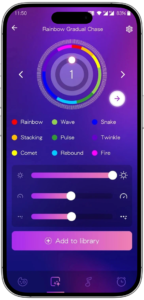
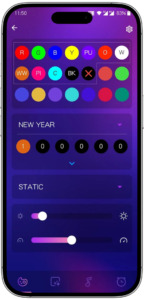
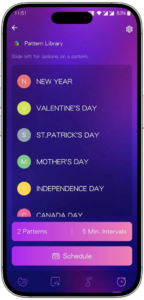
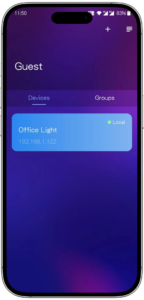
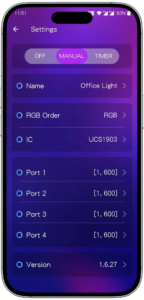
Trimlight Phoenix helps you control residential outdoor lighting Phoenix homeowners can use for quiet nights or special events. Manage your permanent outdoor lighting in Phoenix through a compatible lighting app.
Your outdoor residential lighting controls depend on the selected system and setup. Ask which features your lights support before you choose your preferred control options.
Hundreds Of Preset Patterns
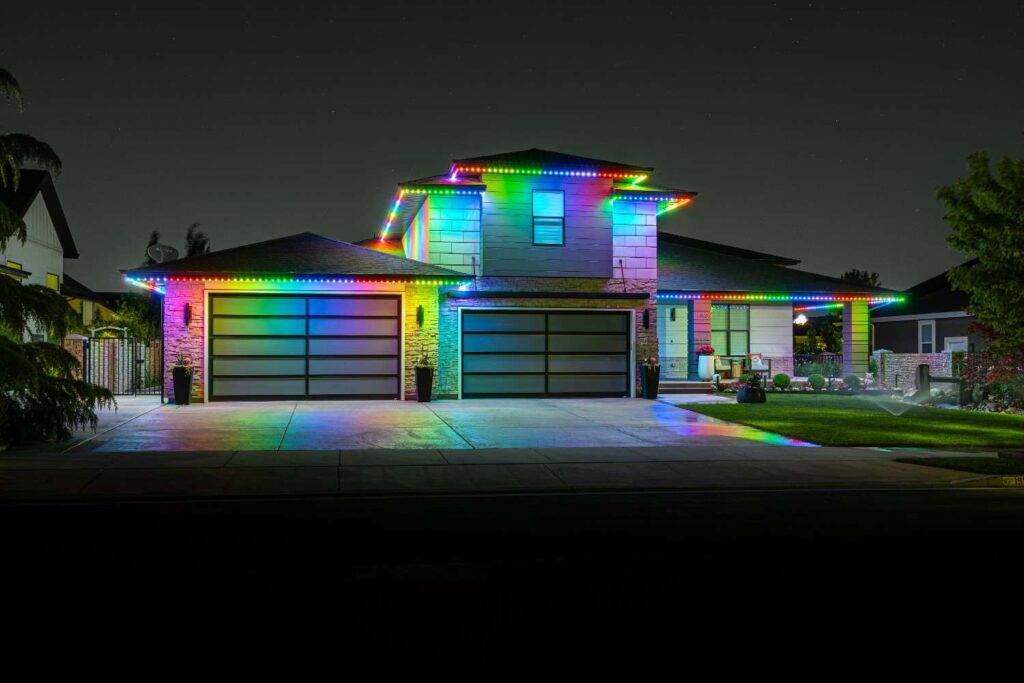
Choose built-in patterns for Christmas, Halloween, or game day. Tap a preset in the app to change your display.
Animations & Speed Control
Choose a moving pattern or keep the lights steady. Adjust the speed to suit the look you want.
Music Sync
Let your lights respond to music with a compatible setup. Select the supported music mode for parties or gatherings.
Schedules By Zone
Set start and stop times for supported lighting zones. Available zones depend on your controller and installation layout.
Why Choose Us for Residential Outdoor Lighting in Phoenix?
Trimlight Phoenix has served local homes since 2021. We offer residential outdoor lighting Phoenix homeowners can shape around their needs. Our residential outdoor lighting services focus on neat roofline placement and clear plans.
For residential outdoor lighting installation Phoenix homeowners work with a team that connects planning and fitting. Our professional installers check the work and show you how to use the app before they leave.
Browse our outdoor lighting gallery to see completed work on real homes. We explain what your quote includes and answer questions before, during, and after installation.
- Authorized Trimlight dealer
- Local service across the Phoenix area
- Lifetime Product Warranty through Trimlight, subject to its terms
- Products designed for outdoor use with guidance for ongoing care
Bring Your Phoenix Home to Life After Dark
Trimlight Phoenix offers residential outdoor lighting installation Phoenix homeowners can plan around their needs. For outdoor lighting pricing Phoenix homeowners can review, ask what your estimate includes.
Contact us to share your lighting goals. We’ll discuss your home, explain your options, and arrange the next step for your estimate.
Frequently Asked Questions
How much does residential outdoor lighting installation cost?
The cost depends on your home’s size, light coverage, access, and chosen system. Roofline shape and power needs can also affect the quote. Ask Trimlight Phoenix for an estimate based on your property. Review what it includes so you can compare options and plan your budget with confidence.
How long does outdoor lighting installation take?
Installation time depends on the amount of lighting, roof access, and layout. A larger home or complex roofline may need more work. We can discuss timing after reviewing your property. Ask about the planned schedule, any access needs, and how weather could affect your agreed installation start date.
Can you add lights to my existing outdoor lighting system?
You may be able to add lights, but compatibility comes first. The existing fixtures, wiring, power supply, and controls must support the proposed changes. Share details about your current setup with our team. We can review the options and explain whether an addition or separate system makes sense.
Can I control my outdoor lights with my phone?
You can control compatible Trimlight systems through a phone app. Supported features include colors, patterns, and schedules. Available controls depend on your system, controller, and setup. Our team can explain the app during your walkthrough. Ask about network needs and which features your chosen lighting system will support.
What care does residential outdoor lighting need?
Follow the product’s care guidance and watch for changes in how your lights work. Keep nearby plants from blocking fixtures and report loose parts or damaged lights. Avoid opening electrical parts yourself. Ask our team about cleaning, suitable checks, and support if a light stops working as expected.
START WITH A WALK AROUND YOUR PROPERTY
The most useful next step is having someone look at your home and explain what’s worth lighting and what isn’t. The consultation is free and there’s no obligation to proceed.