
How Outdoor Lighting Brings Your Desert Yard to Life
Trimlight Phoenix uses outdoor lights to draw your eye to the best parts of your yard. A light can show the shape of a saguaro, bring out the color of a wall, or help guests see a path. We place each light with care so your yard feels warm and easy to use after dark.
Desert yards have bold plants, stone, and clean lines. Light can help each one stand out. It can also add soft shadows that give your yard more depth. We help you choose what to light and where to keep a calm, dark space.
Bring Out the Best in Your Yard
With landscape lighting Phoenix homeowners can draw attention to trees, plants, walls, and the front of their home. You can also light steps and paths to help people move through the yard.
Who Is This Service For?
Our Phoenix AZ landscape lighting service may suit you if you have:
- Tall or eye-catching plants
- Walls or parts of your home you want to show
- A new or updated yard
- A large lot with dark areas
- A patio where you spend time with guests
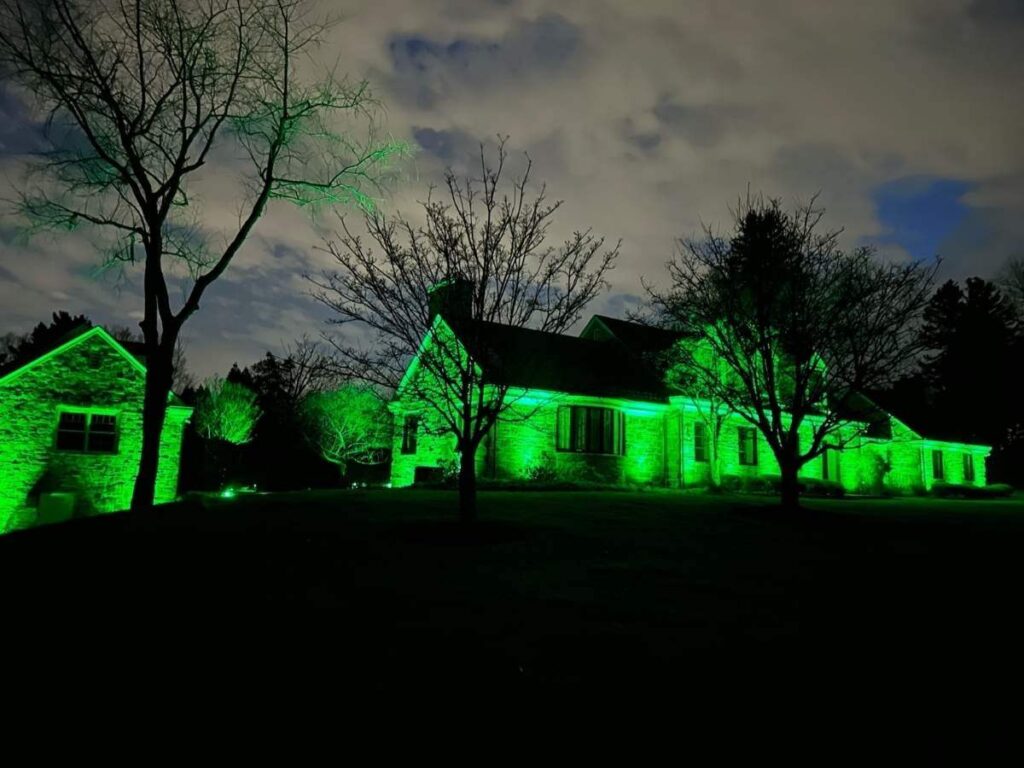
How We Design Lights for Your Yard
Trimlight Phoenix starts by walking through your yard with you. We ask which plants and spaces you want to light. We also look at the paths you use and the views you see from your home. When we can, we visit after dark to see where your yard needs light most.
Then we make a plan that fits your space. A few lights in the right spots can show more than lights placed across the whole yard. We choose each spot with care. Our goal is to help you enjoy the view and move through your yard with ease.
Lighting Techniques We Use
Different parts of the yard need different types of light. A cactus may look best with light from below. A path needs low lights to help people see each step. The right mix gives each space the light it needs.
Uplighting
Light shines up from the ground to show the shape of a cactus, tree, wall, or column.
Wall Washing
Soft light spreads across a wall to bring out its color and texture.
Path Lighting
Low lights help people see paths and steps.
Silhouetting
Light on the wall behind a plant makes its dark shape stand out.
Downlighting
Lights set above a space cast a soft pool of light below.
Features Worth Lighting on a Phoenix Property
A Phoenix landscape lighting plan can bring out the best parts of a yard. Light can show the shape of tall cacti and trees. It can add warmth to walls and help guests find the front door. You can choose the spots that mean the most to you.
Saguaros and Other Cacti
Light near the base shows off their bold shapes.
Block and Stucco Walls
Soft light brings out the color and texture of each wall.
Mature Trees
Light on the trunk or branches helps a tree stand out after dark.
Water Features and Pools
Light around these areas makes them easier to see after dark.
Entryways and Courtyards
Lights help guests find their way from the street to the door.
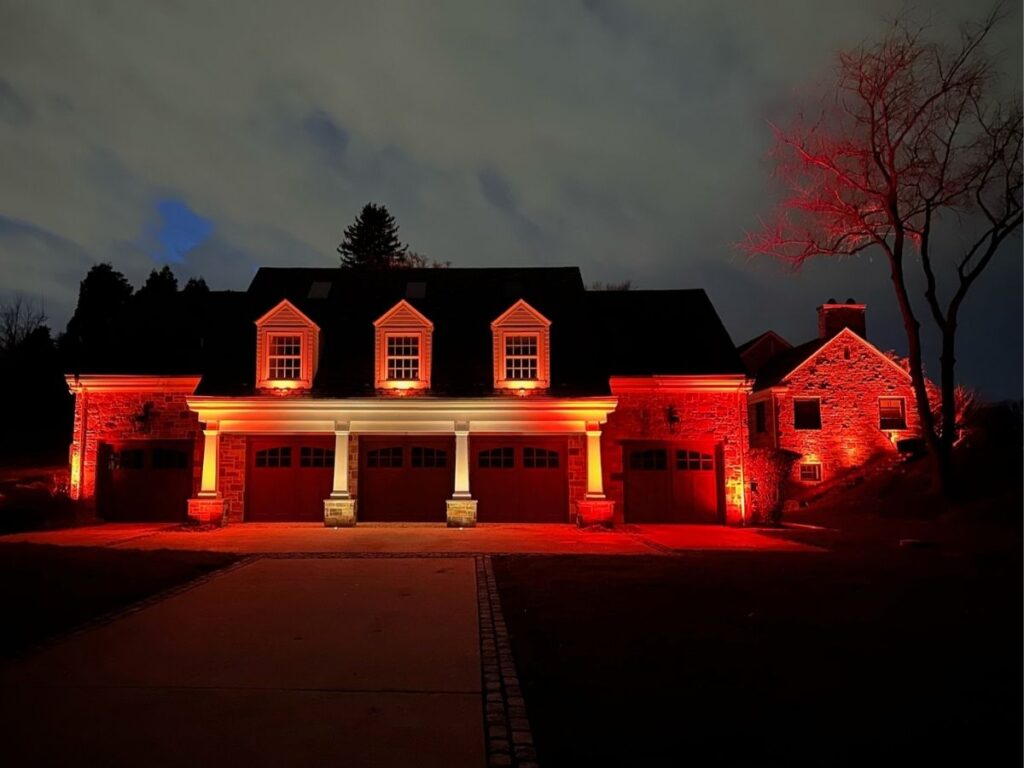
How Landscape Lighting Helps You Enjoy Your Yard After Dark
Trimlight Phoenix helps you enjoy the yard when the sun goes down. With landscape lighting Phoenix homeowners can see their plants, walls, and paths from the house. Light can also make a patio feel more inviting. You can sit outside with family, talk with friends, or take in the view.
Good light helps people move through space, too. Guests can spot steps, paths, and changes in ground level more easily. A few well-placed lights can make a big change without filling the whole yard with glare. The plan depends on how you use the yard and which areas you want to see.
What Homeowners Notice After Installation
A Phoenix landscape lighting plan can change both the view and the way you use your yard.
The Yard Feels Larger
Lights near the edge of the yard help you see past the patio. Your view no longer stops where the dark begins.
Plants and Walls Stand Out
Light shows the shapes of trees and cacti. It can also bring out the color and texture of stone and stucco walls.
Outdoor Time Feels More Inviting
Soft light makes patios and seats feel warm. You may want to spend more time outside with family or friends.
The house is framed better
Lighting the yard changes how the building itself reads from the street.
The Home Looks More Welcoming
Yard lights draw the eye to the front door and the home. Guests can find the entry with more ease.
Paths Are Easier to See
Landscape lighting installation Phoenix homeowners choose can help show paths and steps. Guests can see changes in ground level as they walk.
The Plan Fits the Property
Trimlight Phoenix can plan lights around your yard and the areas you want to use. You can ask for a quote to see how the design affects pricing.
What Makes Desert Landscape Lighting Different
Trimlight Phoenix plans lights around the plants, stone, and walls in your yard. With landscape lighting Phoenix homeowners can enjoy, a cactus can stand out without glare. Gravel can reflect light, while block walls can cast deep shadows. Each light needs a spot that suits the space.
As a landscape lighting company Phoenix homeowners can call, Trimlight Phoenix helps you choose where the lights should go. Our professional team can also plan the yard lights with your roofline lights in mind. To see how lights look on real homes, view the outdoor lighting gallery.
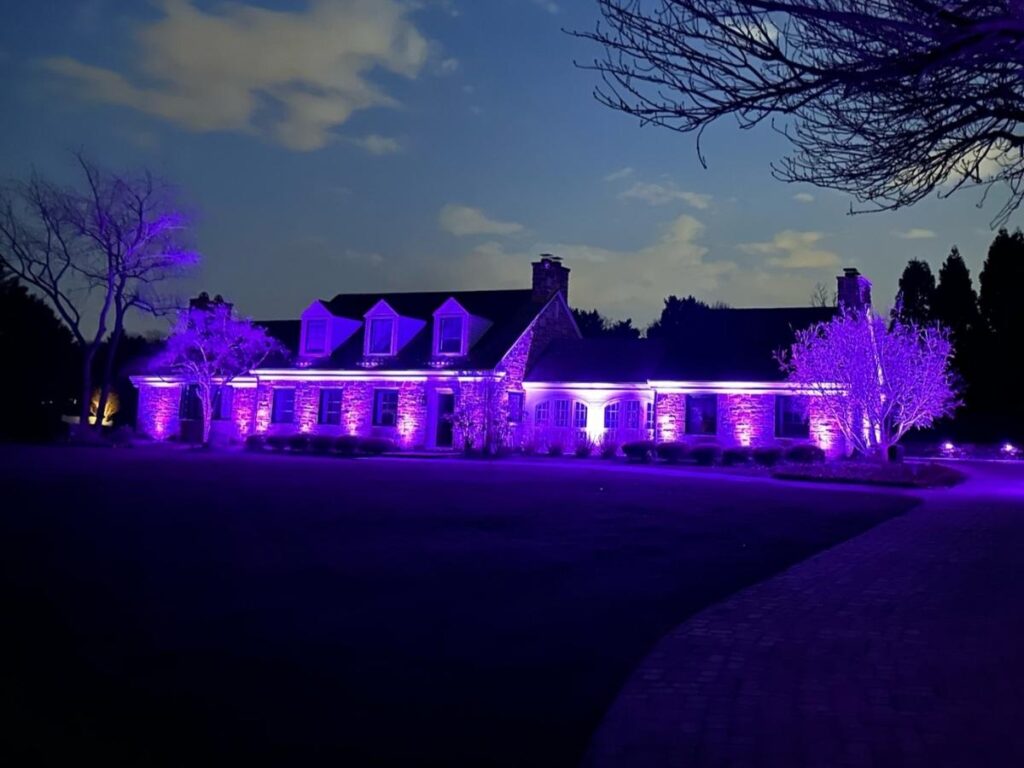
Bring Your Yard to Life After Dark
Trimlight Phoenix can help you light paths, show off plants, and make your patio feel warm after dark. Each plan starts with the parts of your yard you want to see and use.
Ready to explore landscape lighting Phoenix homeowners can enjoy? Tell us what you have in mind. Visit our contact us page to ask questions or request an estimate for your yard.
Common Questions About Landscape Lighting in Phoenix
How do I choose a lighting design for my yard?
Start with the places you use after dark, such as paths, steps, and patios. Then pick a few features you want to see from your home. A tree, cactus, or wall may look best with a soft light from one side. Trimlight Phoenix can help you choose lights and plan where each one goes.
What happens during installation?
The team follows the lighting plan and places each fixture in the chosen spot. They connect the lights and check how the yard looks after the setup. You can point out any areas you want to review. Before work begins, ask where the crew will place lights and run the wires.
Can I control the lights from my phone?
Trimlight offers an app for its permanent lighting systems. You can use it to change colors and set times for those lights. Control options for yard lights may depend on the system you choose. Ask Trimlight Phoenix which app features your landscape lighting plan can use before you book.
How do I keep the lights looking good?
Check the lights from time to time as plants grow. Trim branches or leaves that block a fixture, and wipe dirt off the lens. Take a look after yard work to make sure each light still points where you want it. If one stops working, contact Trimlight Phoenix for help.
How can I get an estimate?
Tell Trimlight Phoenix which parts of the yard you want to light. You can also share photos and note any paths, plants, or walls you want to feature. The team can review the space and your goals before giving you a quote. That way, you can see what the plan includes before you decide.
See What Your Yard Looks Like Lit
The easiest way to understand what landscape lighting would do is to have someone walk the property and point out what is worth lighting. The consultation is free with no obligation.