
When Should You Consider an LED Lighting Upgrade?
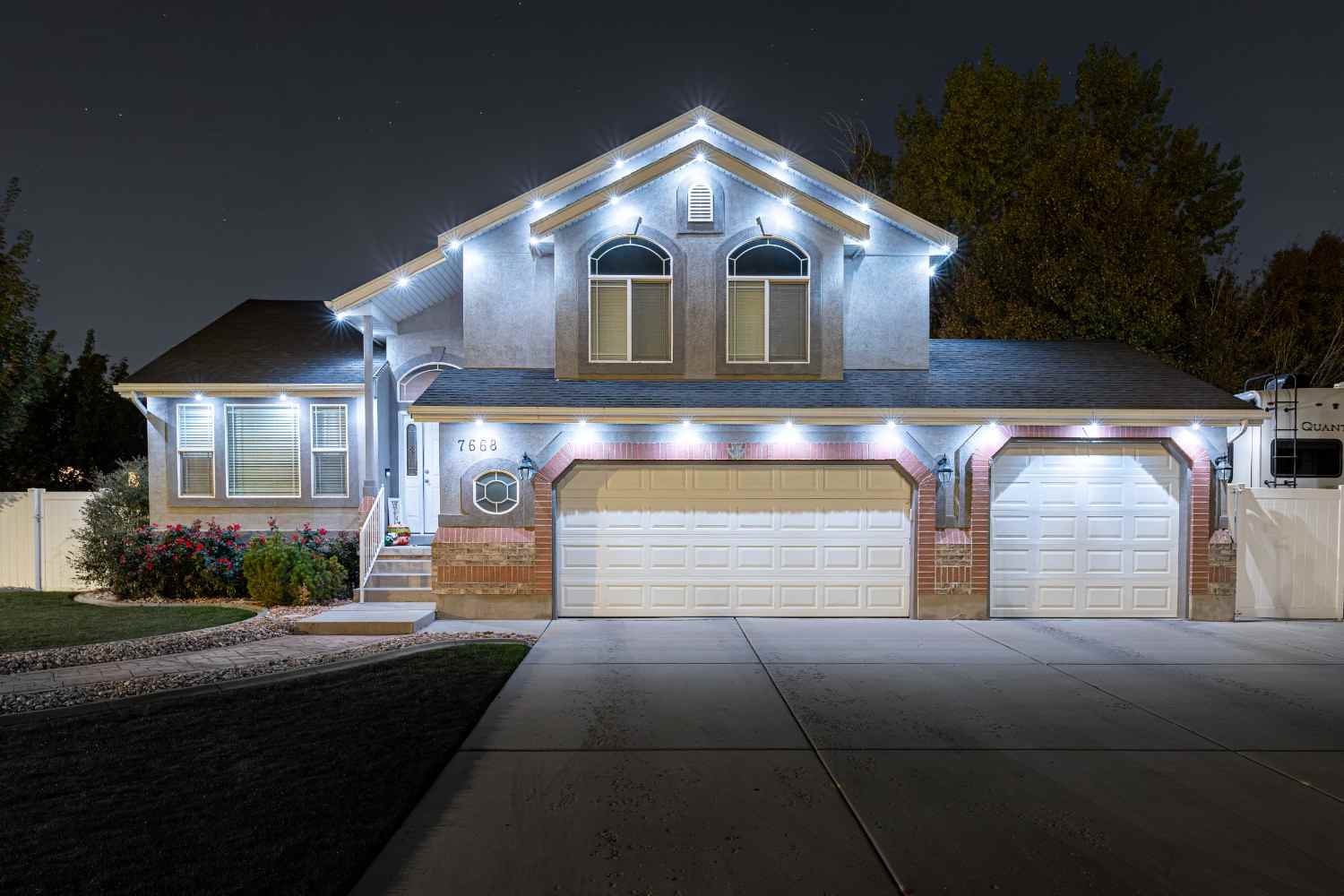
We should consider an LED lighting upgrade when seasonal setup and removal feel inconvenient, exterior areas lack adequate light, or we want flexible lighting for holidays, entertaining, and daily curb appeal. The best upgrade aligns with our property goals, current fixtures, planned renovations, Phoenix weather, and available budget.
Key Takeaways
- Permanent outdoor lighting reduces the repeated work of installing, removing, storing, and replacing temporary holiday lights.
- Roofline, landscape, patio, pool, pathway, and entry lighting serve distinct purposes, from architectural accents to entertaining and safer nighttime access.
- Complete roof repairs, painting, landscaping, pool work, and other exterior projects before installation. This prevents costly lighting moves later.
- Project pricing depends on the home layout, roofline design, fixture type, fixture count, electrical access, controls, zones, and installation access.
- We should ask installers how they’ll route wiring, secure the system to exterior materials, explain controls and warranties, and meet HOA and local requirements.
Signs a Permanent Outdoor LED Upgrade May Be Worth Considering
A professional outdoor lighting upgrade may be a practical fit when temporary holiday lights have become inconvenient or the exterior feels underlit after dark. For many Phoenix-area homeowners, the decision starts with wanting a simpler, more intentional way to light the home throughout the year.
Permanent outdoor lighting can make sense when we install and remove holiday lights every season, deal with ladders and roof access, untangle cords, store bins of decorations, or replace failed bulbs. A fixed system can reduce much of that recurring work while giving us lighting options beyond a short holiday display.
An upgrade may also be worth considering if the home lacks definition at night. Rooflines, entryways, patios, landscaping, and pool areas can fade into darkness without well-planned lighting. Depending on the system and installation, permanent lighting can offer architectural accents, special-event colors, entertaining ambiance, and improved nighttime visibility.
Common reasons to explore LED lighting upgrade installations include wanting to:
- Use flexible lighting for holidays, game days, birthdays, and family gatherings.
- Create a more welcoming appearance after sunset.
- Make patios, pools, outdoor kitchens, and seating areas easier to use in the evening.
- Replace outdated, unreliable, poorly placed, or uneven exterior fixtures.
- Add curb appeal and visual definition without seasonal setup and removal.
Permanent holiday lighting is a popular starting point, but it is not limited to holiday use. The right system can support everyday accent lighting while allowing color and scheduling changes for specific occasions. App or controller options may make those changes easier, though features depend on the chosen equipment and installation.
Choose the Outdoor Lighting Type That Matches Your Goal
An LED lighting upgrade is not one universal product or outcome. We start with the purpose of the lighting: décor, curb appeal, entertaining, landscape definition, pathway guidance, or functional visibility. That goal helps determine the best placement, fixture style, control options, and installation approach.
Permanent roofline lighting may fit homes that need holiday displays, celebration colors, and year-round architectural accents. These systems follow the home’s roofline and exterior layout, so the design should account for eaves, peaks, material transitions, and access points. Color-changing, app-controlled systems can offer different scenes and schedules, depending on the product selected.
Landscape lighting can highlight planting beds, trees, pathways, walls, and focal points in the yard. It may help define the property after dark and guide movement between the driveway, entry, patio, and backyard. Our residential outdoor lighting options can combine landscape and architectural lighting into a coordinated plan.
Bistro lighting and patio lighting can make outdoor dining, poolside seating, and gathering areas feel more comfortable after sunset. Placement matters. The lighting should support conversation and movement without putting harsh glare directly in seating areas.
Palm tree lighting creates decorative impact around palms and other landscape focal points. It can work well near pools, courtyards, and front-yard feature areas when the fixture placement complements the surrounding landscaping.
Security- or visibility-oriented lighting may be appropriate for entrances, driveways, walkways, side yards, and other darker areas. We focus on property-specific placement and practical visibility rather than making promises about security outcomes. For these applications, security lighting can address areas that need clearer illumination.
Controls are also part of the planning process. App controls, schedules, color selections, and zones vary by system. A zone is simply a section of lighting that we can control separately, such as the front roofline, backyard patio, or pool area. Smart lighting automation can make daily use simpler when the selected system supports those features.
When It May Be Better to Wait or Choose a Smaller Solution
An outdoor lighting upgrade is not the right next step for every property, budget, or goal. We recommend evaluating permanent lighting as a property-specific improvement rather than assuming every home needs a full permanent lighting system.
Waiting may be the better choice if a major project is planned soon. Roof replacement, exterior painting, stucco repair, pool updates, landscaping changes, and patio renovations can affect fixture placement, wiring routes, and access. Completing that work first may avoid unnecessary adjustments later.
Budget should also guide the decision. If higher-priority Phoenix home improvement projects need attention, it may make sense to postpone permanent lighting or begin with a smaller phase. In some cases, an exterior lighting replacement, fixture repair, bulb upgrade, or placement adjustment will address the immediate issue more effectively than a larger installation.
Clear goals matter as well. Before requesting an outdoor lighting quote, we should define the main purpose: seasonal decorating, curb appeal, outdoor entertaining, pathway visibility, or a combination of needs. A focused goal leads to a more practical design and helps prevent paying for features that will rarely be used.
For homes with existing fixtures that still meet daily needs, a full LED lighting upgrade installation may not offer enough immediate value. A professional evaluation can clarify whether a repair, retrofit, added fixture, or permanent roofline system makes the most sense.
Phoenix Conditions That Affect Lighting Design and Installation
Phoenix outdoor lighting needs to account for local conditions before installation begins. Intense sunlight, summer heat, monsoon conditions, roofline access, exterior materials, electrical access, and future service needs all influence the design.
Sun and heat exposure can affect where controllers, connections, and fixtures are placed. Monsoon wind and rain can also influence mounting methods, drainage awareness, and wiring routes. Product-specific weather ratings, color options, app features, warranty details, LED lifespan, and energy use should always be confirmed through the applicable product documentation.
Maricopa County outdoor lighting projects also vary widely by home construction. Stucco, tile, block, painted surfaces, fascia materials, roof slopes, and roofline height can all affect the installation method. Roofline access is especially important because long, steep, high, or complex roof sections often require added planning.
We also consider wiring concealment where possible, electrical access, controller placement, landscaping, drainage paths, trees, hardscape, and pool-area layout. Clean planning supports an organized finished appearance and makes future service easier.
HOA guidance, permits, and electrical-code requirements are not the same for every property or project. We should confirm those items based on the individual home, community, scope of work, and local requirements before installation.
What Determines the Cost and Quality of LED Lighting Upgrade Installations
LED lighting upgrade installations should be quoted for the specific property rather than based on a generic starting price. Permanent lighting cost can vary significantly based on the size and layout of the home, the lighting type, and the preparation needed for proper installation.
Important cost factors include roofline length and complexity, fixture count, fixture type, placement, electrical needs, controller features, app options, zones, customization, installation access, and exterior material considerations. A small front roofline project will have different requirements than a full home design with landscape, patio, and pool-area lighting.
Professional LED lighting installation quality matters because the system should fit the home rather than look added as an afterthought. We recommend confirming that the proposed design addresses the roofline, landscaping, outdoor living spaces, fixture placement, secure mounting, wiring management, and compatibility with exterior materials.
A complete quote should also explain controller setup, available service and warranty support, and how the system will be used after installation. Clear operating instructions are important, especially for systems with colors, scenes, schedules, and separate zones.
Preparation can affect both timing and cost. Planned roof work, electrical updates, painting, exterior repairs, or landscaping changes should be discussed before installation. For older systems that need an efficiency or fixture update rather than a full redesign, LED retrofit upgrades may be a practical option.
We provide property-specific guidance through our lighting pricing information, then refine the scope after reviewing the home and lighting goals.
Questions to Ask Before Choosing an Outdoor Lighting Installer
The right outdoor lighting installer should explain the proposed design in clear terms and answer practical questions about installation, controls, preparation, and future service. We recommend reviewing project examples and asking for a walkthrough of the planned placement before making a decision.
Installer Comparison Checklist
Use this checklist during a permanent outdoor lighting consultation:
- What lighting type best supports our goals?
- How will the system fit our roofline, landscaping, and outdoor spaces?
- How will wiring be managed and concealed where possible?
- What controls, schedules, colors, and zones are available?
- What does the warranty cover, and who provides service and warranty support?
- Will product details, installation methods, and recommended maintenance be explained clearly?
- What preparation is needed before installation?
- Are there property-specific items to confirm, such as HOA guidance, electrical needs, or planned roof and exterior work?
A Phoenix LED lighting consultation should help us understand the full scope before work begins. That includes where lighting will go, how it will be controlled, what features are included, and what future service may involve.
If we are considering permanent outdoor lighting for a Phoenix-area home, schedule a consultation with Trimlight Phoenix. We can discuss the goals for the property, evaluate the exterior layout, and provide a design and quote based on the home’s actual needs.
Prepared by the Trimlight Phoenix outdoor-lighting team, with direct experience evaluating exterior lighting layouts, roofline access, installation planning, and homeowner lighting goals.