
Why Should You Hire a Landscape Lighting Designer?
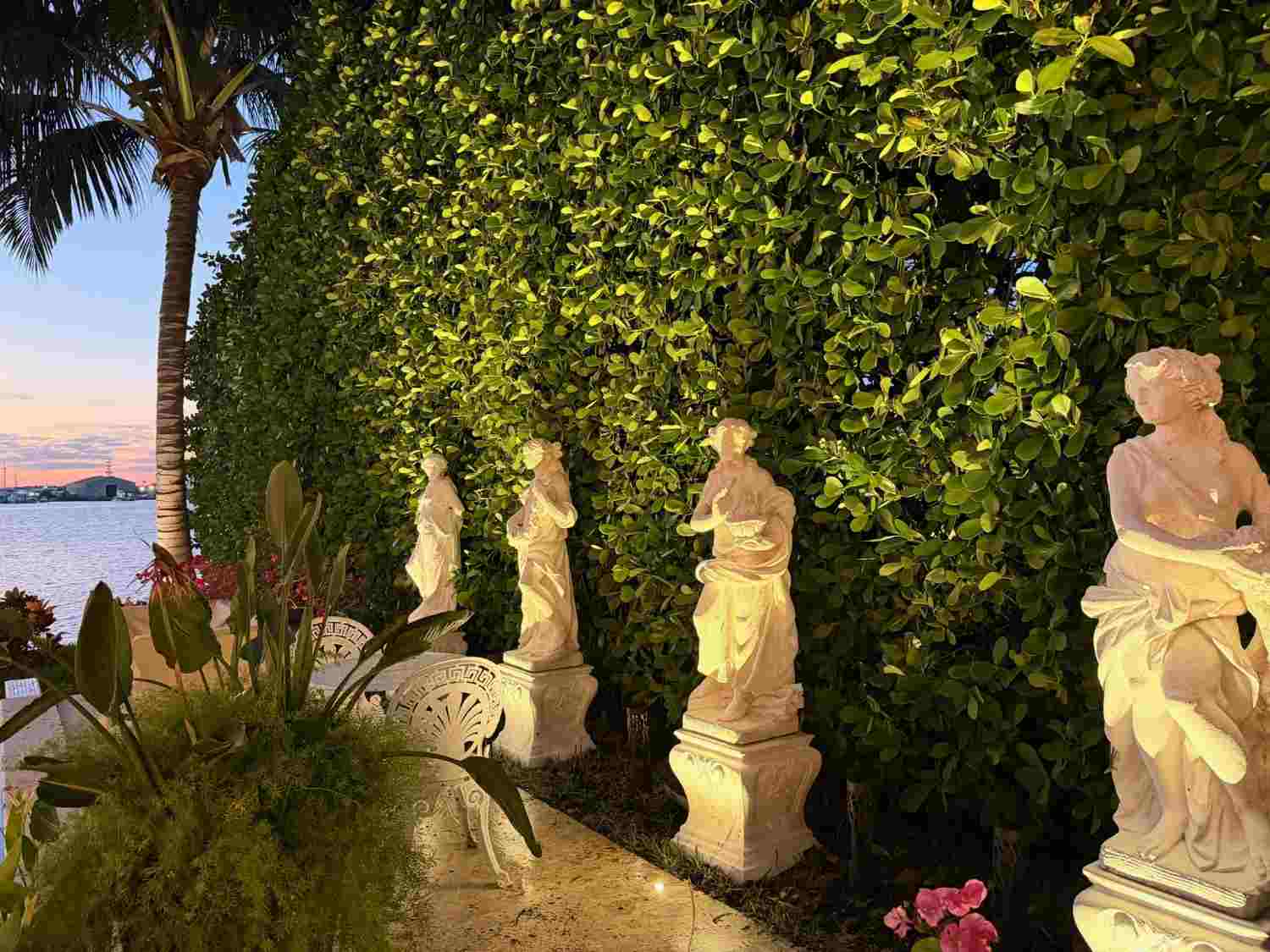
Hiring a landscape lighting designer helps us create a cohesive plan for safer walkways, inviting outdoor living areas, and focal points such as trees, patios, pools, and architecture. We also address fixture placement, glare control, wiring, Phoenix heat exposure, controls, and future expansion before installation begins.
Key Takeaways
- We prioritize high-impact areas instead of placing lights evenly across the property.
- We balance brightness, shadows, beam spread, and color temperature to create a comfortable, intentional look.
- Proper placement reduces glare, exposed wiring, light spill onto neighboring properties, and maintenance demands.
- Phoenix properties require fixtures, wiring paths, and materials that withstand heat, sun, irrigation, and desert landscaping.
- A phased plan lets us illuminate key spaces now and expand the system later without creating a disconnected appearance.
The Value of a Professional Lighting Plan for Our Home
Effective outdoor lighting involves far more than placing brighter fixtures around a yard. A landscape lighting designer creates a complete plan that supports safe movement, curb appeal, outdoor living, and comfortable visibility after sunset.
We begin with the areas that matter most: walkways, steps, entries, gates, patios, pools, and transitions between indoor and outdoor spaces. Intentional lighting helps us see these areas clearly without washing the entire property in harsh light. It can also draw attention to architecture, trees, walls, and planting areas that give a home its character.
Designer landscape lighting uses focal points, balanced illumination, careful fixture placement, and glare control to create a composed result. Rather than treating every area equally, a residential landscape lighting designer determines where light will have the greatest visual and practical impact.
Results depend on the property layout, fixture quality, installation methods, maintenance, controls, and preferred lighting style. A professional lighting consultation helps us make choices that fit the home instead of relying on a generic fixture layout.
A full-property project is not required for every home. We can prioritize an entry, pathway, patio, palms, or pool area first, then create a plan that supports future additions without making the system feel disconnected.
What Does a Landscape Lighting Designer Actually Do?
A landscape lighting designer performs practical planning work before installation begins. We assess priorities such as safer pathways, entertaining areas, architecture, palm trees, patios, pools, gates, entryways, walls, and outdoor living spaces.
During the day, we review the terrain, landscaping, irrigation, access points, wiring routes, and maintenance needs. We also consider nighttime viewing angles from the street, driveway, windows, patio seating, pool areas, and nearby properties. This process helps us choose focal points rather than placing lights across every available surface.
Fixture recommendations depend on the desired effect, the home’s layout, plant material, access, durability requirements, and future service needs. We balance brightness, shadows, beam spreads, and color temperature so the lighting feels intentional. Proper glare control also reduces unwanted light into windows, seating areas, streets, and neighboring homes.
Low-voltage landscape lighting can include separate zones for the entry, backyard, patio, or architectural features. Depending on the system, we can plan timers, dimming, color options, and app-based operation through smart lighting automation.
Common Lighting Design Terms
These terms make a landscape lighting design easier to understand:
- Uplighting: A fixture aimed upward to highlight a tree, wall, column, or architectural feature.
- Downlighting: Light directed downward from a tree, structure, or elevated location for softer, natural-looking illumination.
- Beam spread: How wide or narrow light projects. Narrow beams can emphasize tall palms, while wider beams can softly illuminate broad walls or planting areas.
- Color temperature: The warmth or coolness of white light. Warmer tones often create a softer residential feel, while cooler tones can look brighter or more modern.
- Zoning: Grouping lights so areas such as the entry, patio, and backyard can operate separately.
When Hiring a Designer Is Especially Worthwhile
A residential landscape lighting designer is especially helpful for high-visibility areas, where placement and viewing angles directly affect the final result. Entryways, pathways, patios, trees, walls, pools, and entertaining spaces all benefit from a coordinated approach.
We May Benefit From a Lighting Designer If…
A professional outdoor lighting design consultation can be a strong fit when:
- Our home has several outdoor zones, mature trees, palms, long walkways, a pool, or extensive landscaping.
- We want a cohesive look instead of individual fixtures added over time.
- The project includes wiring, low-voltage systems, permanent fixtures, electrical work, app controls, or multiple zones.
- We want palm tree lighting, patio lighting, integrated controls, custom effects, or durable permanent systems.
- We are concerned about glare, uneven brightness, visible wiring, or light spilling toward neighbors.
- We want to complete a phased landscape lighting project while keeping a long-term plan in place.
Professional planning gives us a clear way to review goals, property layout, available lighting options, budget priorities, and project scope before installation. It also helps prevent a common issue: adding fixtures one at a time without considering how each one affects the overall view.
Phoenix Landscape Lighting Considerations That Affect Design and Durability
Phoenix landscape lighting needs to account for intense sun, high temperatures, and long periods of outdoor use. Across the greater Phoenix metro area and Maricopa County, fixture materials, finishes, wiring, lenses, and electronics should suit heat exposure and long-term exterior conditions.
Desert landscape lighting also requires careful placement around rock, gravel, cactus, agave, irrigation lines, and low-water plants. We route wiring with irrigation and future maintenance in mind, while placing fixtures where regular landscape activity is less likely to disturb them.
Mature palm tree lighting requires additional planning for height, aiming, access, and beam spread. A narrow beam may work well for a tall trunk and canopy, while a broad wash can better suit a stucco or masonry wall. Long driveways, gates, patios, outdoor kitchens, pools, and desert plantings each call for their own lighting approach.
Because outdoor spaces remain useful through much of the year, patio lighting and pool area lighting often deserve early attention. We also avoid excessive brightness and unnecessary spill that can affect neighbors, drivers, or the enjoyment of the night sky. Our landscape lighting services focus on practical illumination with a comfortable finished appearance.
DIY, Basic Installation, and Professional Design: Choosing the Right Level of Help
DIY landscape lighting can work well for a small, simple project. A few solar path lights or a limited low-voltage kit may provide useful light for a basic walkway or garden feature.
However, larger properties and permanent systems often need more planning. Professional landscape lighting installation is a better fit for complex landscaping, palm tree lighting, electrical work, integrated controls, custom effects, and homeowners who want a refined, durable result.
Basic installations can face inconsistent fixture placement, insufficient power planning, visible wiring, glare, uneven brightness, limited controls, and more difficult maintenance. Professional design considers how the system will look, function, and be controlled over time, rather than simply installing outdoor fixtures where space is available.
Different lighting types also serve different purposes. Landscape lighting emphasizes pathways, plants, trees, architecture, patios, walls, and outdoor living areas. Permanent holiday lighting typically highlights rooflines and trim with celebration-ready color-changing effects. Bistro lighting and string lighting support ambiance over patios, pergolas, and gathering areas. These systems can complement each other, but they create distinct effects and should be planned accordingly.
Planning Our Budget, Scope, and Lighting Consultation
Landscape lighting cost depends on the number and type of fixtures, wiring and electrical requirements, control systems, installation complexity, property size, access, and whether we complete the work in phases. Generic package pricing often fails to reflect the actual layout and priorities of a property.
A site-specific landscape lighting consultation gives us a more useful starting point. We can identify high-impact areas first, such as the entry, pathways, patio, palm trees, or pool area, while leaving a clear path for future expansion. This approach helps us manage the project scope without losing the benefit of a unified plan.
Before committing, we should ask how the design will prioritize key spaces, avoid glare into windows and neighboring homes, and handle wiring around landscaping and irrigation. We should also confirm which fixture materials suit Phoenix heat, whether the system can expand later, what landscape lighting maintenance to expect, and who handles installation, troubleshooting, and future service.
It is also important to understand how outdoor lighting controls will work. We should know whether schedules, dimming, zones, and app-controlled outdoor lighting are available, as well as how each option affects daily use.
If we are considering landscape or permanent outdoor lighting, a professional consultation can identify the areas that can make the greatest difference for our home, lifestyle, and budget. We can request a lighting consultation to discuss practical options, installation needs, and a plan that fits our property.