
Residential Outdoor Lighting Design Ideas for Your Home
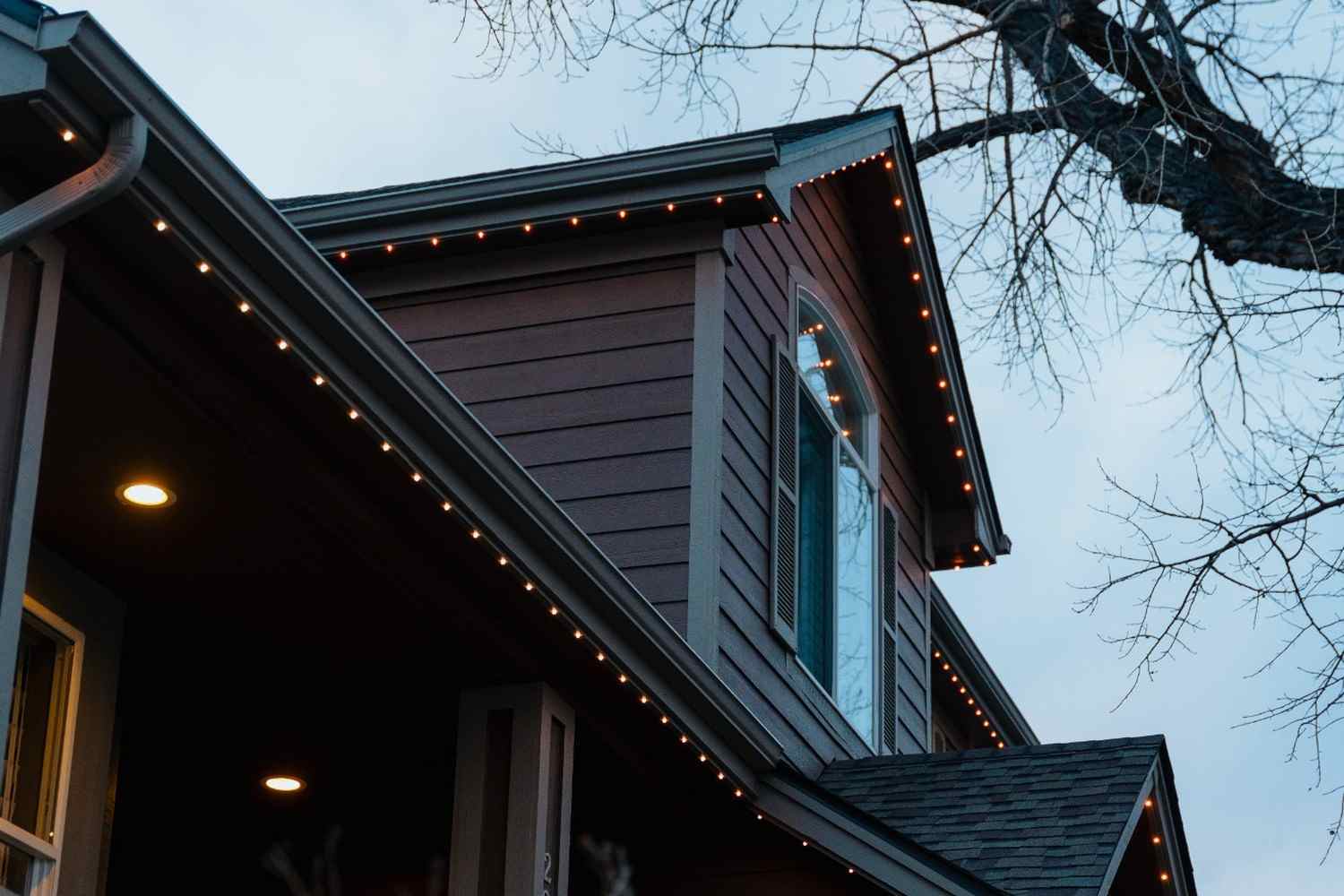
Residential outdoor lighting design works best when we start with how we use front entries, pathways, patios, landscaping, pool areas, and other outdoor spaces after dark. A layered plan combines roofline, pathway, landscape, and patio lighting. It also accounts for Phoenix heat, sun, dust, monsoon conditions, controls, and installation needs.
Key Takeaways
- Identify primary goals, including curb appeal, safer routes, entertaining, seasonal displays, and landscape highlights.
- Use lighting layers for clear purposes: roofline and architectural accents add definition, pathways improve visibility, and patio or bistro lighting supports outdoor living.
- Choose controls early, including timers, zones, presets, white-light settings, and color-changing options. These choices affect wiring and system scope.
- Plan for local conditions with appropriate components, secure mounting, and accessible service locations. Account for heat, sun, dust, and monsoon exposure.
- Compare proposals by reviewing included areas, installation methods, warranties, maintenance needs, local requirements, and similar completed projects.
Start With How We Want to Use Our Outdoor Spaces
Residential outdoor lighting design starts with the activities and features we want to support after sunset. A clear purpose helps us choose the right locations, fixtures, controls, and level of flexibility without adding lighting where it will not serve the property.
Phoenix-area and Maricopa County homeowners commonly want a mix of curb appeal, everyday visibility, seasonal decorating, outdoor entertaining, and a more inviting exterior. No single lighting approach suits every home, budget, or goal. A front-focused plan may prioritize the roofline and entry, while an entertaining-focused plan may put greater attention on the patio, pergola, bistro lighting, pool area, and backyard gathering spaces.
Before selecting products, we recommend creating residential outdoor lighting design plans around a few practical decisions. First, identify the main purpose. Next, prioritize the spaces that matter most: the front elevation, entry, side yard, patio, pool area, pathways, landscaping, palms, or backyard. Then decide how much control flexibility we want for regular use, holidays, and events.
We also review electrical access, possible mounting locations, roofline complexity, landscape maturity, HOA requirements, budget range, and applicable local code considerations. Once the project scope is clear, a site-specific assessment provides a more accurate path forward. Our residential outdoor lighting service helps bring those choices into one coordinated plan.
Outdoor Lighting Ideas by Area of the Home
Placement determines how lighting looks and how it supports each outdoor area. The following options can work independently or as part of a coordinated plan.
| Lighting approach | Best for | Typical placement | Key planning consideration |
|---|---|---|---|
| Permanent roofline lighting | Year-round architectural emphasis, holidays, and events | Eaves and rooflines | Roofline length, mounting surface, access, and controls |
| Landscape lighting | Trees, plantings, walls, and texture | Front and backyard landscaping | Landscape maturity, fixture placement, wiring, and glare control |
| Pathway and entry lighting | Defining routes and transitions | Walkways, gates, steps, driveways, and entryways | Fixture spacing, wiring, and route visibility |
| Bistro or patio lighting | Dining and entertaining | Patios, pergolas, and conversation areas | Support points, mounting locations, and desired ambiance |
| Palm tree lighting | Desert focal points | Palms and feature landscaping | Tree growth, placement, access, and maintenance needs |
| Architectural accent lighting | Highlighting texture and home features | Walls, columns, entry features, and facades | Beam direction, mounting method, and avoiding unwanted glare |
Front Elevation, Entry, and Roofline
Architectural accent lighting can draw attention to walls, columns, entry features, and stucco texture. Permanent roofline lighting outlines eaves and rooflines for a defined exterior appearance throughout the year. It may also offer seasonal or event color options, depending on the system. Permanent outdoor lighting options work well for some homes, but roofline systems are not automatically the right solution for every outdoor space or goal.
Pathway lighting at entry walks, driveways, gates, and steps helps define the route between areas. Thoughtful spacing and shielded beam direction keep the focus on the path rather than creating bright points that compete with the home.
Landscaping and Outdoor Living Areas
Landscape lighting gives trees, walls, plantings, and distinctive desert textures greater visual depth after dark. Palm tree lighting can turn mature palms and feature landscaping into intentional focal points while complementing the home’s architecture. Explore additional outdoor landscape lighting ideas when planning front or backyard layers.
Patio, pergola, and bistro lighting can define a comfortable area for dining and conversation. Pool and outdoor-living-area lighting can support evening use around seating, cooking, and gathering areas. Qualified professionals should handle planning and installation near water in accordance with applicable requirements. Original local project photography, before-and-after views, annotated elevations, patio examples, palm images, and simple plan diagrams help homeowners compare options. Alt text should accurately describe the lighting and home features shown.
Build a Layered Residential Outdoor Lighting Design
Layered lighting is the central principle of a well-considered residential outdoor lighting design. Instead of relying on one fixture type or one bright system, we combine lighting layers that address distinct parts of the property.
Roofline and architectural lighting establish the home’s outline. Entry and pathway lighting support movement between spaces. Landscape lighting adds texture and focal points. Patio, pergola, and bistro lighting set the mood for entertaining. Palm tree and feature lighting bring attention to elements that make a Phoenix property distinctive.
Balance matters. We recommend using the right amount of light in each location rather than trying to illuminate every surface equally. During planning, we consider glare, neighboring properties, key viewing angles from the street, and what the lighting looks like from outdoor seating areas. A professional landscape lighting plan can connect these layers across the full property.
Low-voltage lighting uses reduced electrical voltage and is common in landscape applications. RGB/color-changing lighting uses LEDs that can produce multiple colors, although exact color and white-light capabilities vary by system. A zone is a separately controlled area of the property, such as the roofline, front entry, patio, or backyard. A timer/schedule is a programmed on-and-off routine. A controller manages settings, schedules, and effects. Color temperature describes whether white light appears warmer or cooler.
Choose Controls and Flexibility That Fit Everyday Use
Control preferences should be part of the discussion early. They can affect system placement, wiring, design scope, and expected investment. Some homeowners prefer white-only lighting with a simple timer/schedule. Others want color customization, grouped zones, presets, or app controls for different activities and seasonal displays.
Zones allow separate control of locations such as a roofline, entry, patio, and backyard. Presets can simplify changes for holidays, events, or relaxed outdoor evenings. RGB/color-changing lighting provides multiple color choices where supported, while color temperature affects the appearance of white light. A controller may manage these settings, but available features vary by system.
Permanent holiday lighting and broader outdoor lighting design serve related but different purposes. Roofline lighting can provide convenient seasonal changes, while landscape, pathway, patio, and accent lighting are selected for their own visual and functional roles. Our smart lighting automation options can help us discuss the controls that fit the finished design.
Plan for Phoenix Heat, Sun, Dust, and Monsoon Conditions
Phoenix outdoor lighting needs to account for intense sun, high temperatures, dust, and monsoon weather. These conditions can influence equipment selection, exposed component placement, secure mounting methods, wiring practices, and accessible service considerations.
Stucco exteriors, tile roofs, palms, open outdoor-living spaces, and mature desert landscaping also shape the design. During a property visit, we assess roofline shape, mounting surfaces, electrical access, sun exposure, landscaping, outdoor-use goals, and control preferences. This planning is especially valuable for roofline work, electrical connections, coordinated zones, permanent mounting, complex landscaping, or projects where a clean finished appearance matters.
We recommend asking how proposed components, mounting methods, and warranties apply to local weather exposure. HOA approvals, permits, and other local requirements may also be relevant, depending on the Maricopa County property and project scope. For visual inspiration from local-style installations, review our outdoor lighting gallery.
What Affects Project Scope, Investment, and Installer Selection
Expected investment varies by home size, roofline length and complexity, fixture count, lighting types, power access, desired controls, custom design work, and installation conditions. A property-specific assessment clarifies which areas to include, how the system will be mounted and wired, what controls fit the plan, and what maintenance or service may be expected over time.
Installation quality, reliability, warranties, maintenance expectations, service access, and financing options all deserve a clear discussion before choosing among local providers. We encourage homeowners to compare comparable local projects and confirm what is included in each proposal.
Questions to Ask Before Choosing an Outdoor Lighting Installer
Use these questions to compare project proposals with confidence:
- What lighting areas are included in the proposed design?
- How will the system be mounted and wired?
- What controls, schedules, zones, and presets are included?
- How are components selected for direct sun, heat, dust, and monsoon exposure?
- What maintenance or service may be required over time?
- What warranty applies to products and installation, and what does it cover?
- Are HOA approvals, permits, or other local requirements relevant to this project?
- Can the installer show comparable local projects?
For roofline-focused projects, explore our permanent holiday lighting service. For broader inspiration, our backyard lighting ideas and LED lighting design guidance can help refine priorities. If we have identified the areas we want to illuminate and want guidance suited to the home, request a property-specific outdoor lighting consultation from Trimlight Phoenix.