
What Should You Know About Installing Security Lighting?
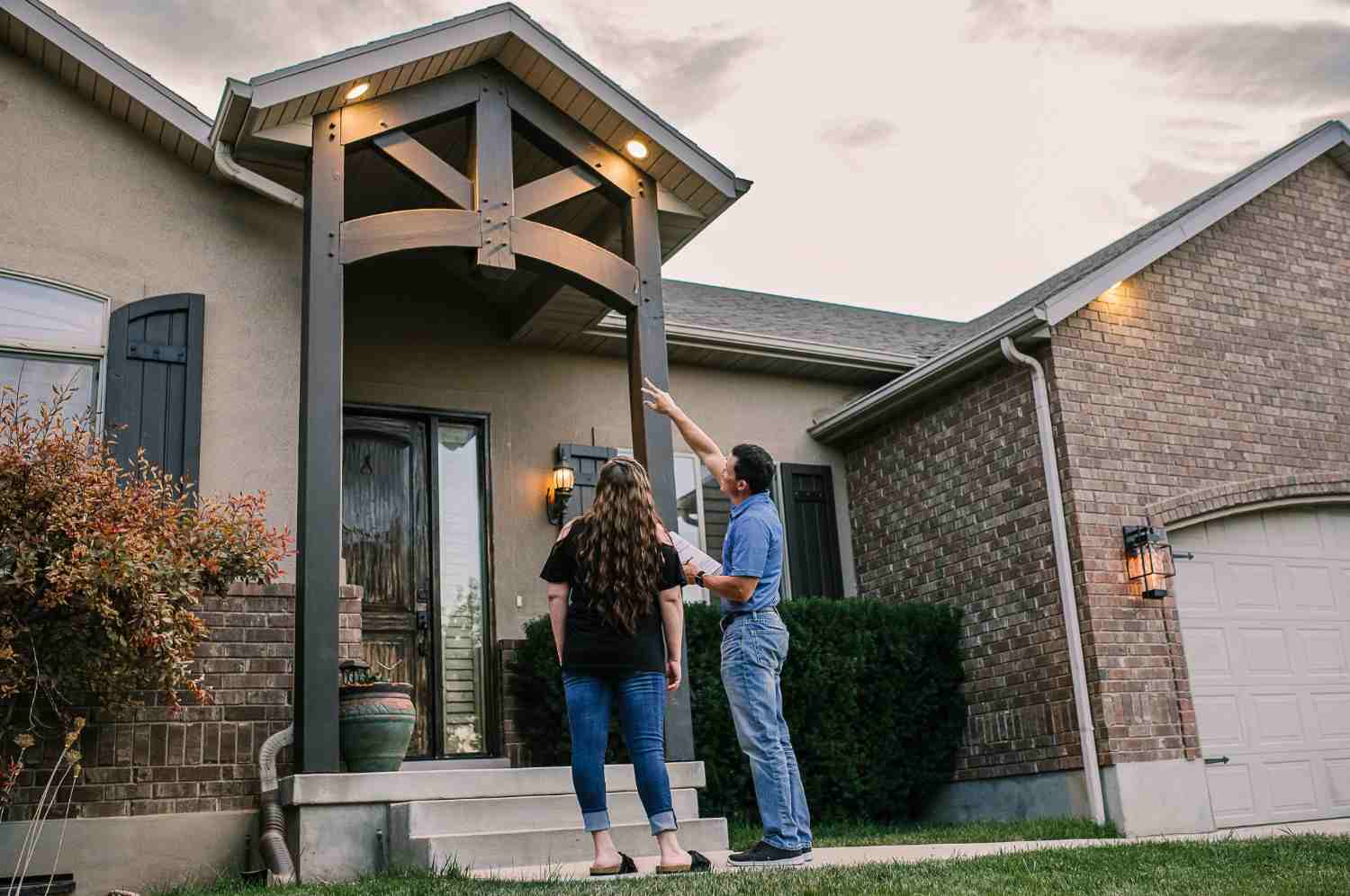
Outdoor security lighting starts with identifying dark areas around entrances, driveways, gates, walkways, and outdoor living areas. We avoid adding fixtures everywhere. A well-planned system uses correctly aimed, weather-resistant fixtures and practical controls. This approach improves visibility in Phoenix conditions without creating glare or disrupting neighboring homes.
Key Takeaways
- Security lighting improves nighttime visibility. We get the best results when we pair it with locks, cameras, alarms, fencing, and regular property upkeep.
- We walk the property after dark to spot shadows caused by vehicles, trees, walls, rooflines, and landscaping before choosing fixture locations.
- We match fixtures to each area. Wall lights work well at entries, focused floodlights cover larger spaces, and motion sensors suit areas with occasional activity.
- We choose shielded, downward-facing fixtures with comfortable brightness levels. These fixtures reduce glare and unwanted spill light while preserving useful visibility.
- Phoenix installations must withstand heat, UV exposure, dust, wind, and monsoon moisture. Qualified professionals should manage electrical work and control configuration.
Security Lighting Improves Visibility but Is Only One Part of Home Safety
Installing outdoor security lighting improves visibility around the parts of a property that households use after dark. It can support safer movement at entrances, driveways, gates, and outdoor living spaces while making dark areas easier to see.
Outdoor security lights can discourage some unwanted activity by reducing concealment, but lighting does not replace locks, cameras, alarms, fencing, or regular property maintenance. A practical home-safety plan uses several layers, with lighting serving as one useful part of that plan.
The best results come from addressing actual dark spots rather than adding fixtures everywhere. For Phoenix outdoor lighting, planning also needs to account for intense sun, extreme heat, dust, monsoon moisture, wind, and nearby homes that may sit close to the property line. A thoughtful exterior lighting installation can improve visibility without creating harsh glare or disruption for neighbors.
Start With the Areas That Need Better Visibility
We recommend walking the property after dark before choosing fixtures. This simple assessment reveals where shadows form and which routes need clearer visibility. Look at the front door, garage approach, driveway, side yards, gates, rear entries, patios, walkways, pool areas, and entertaining spaces.
Pay close attention to shadows created by trees, walls, parked vehicles, landscape features, roof overhangs, and adjacent structures. A fixture can look well placed during the day yet leave a hidden area behind a vehicle or along a side gate at night.
Effective security light placement accounts for mounting height, aiming direction, rooflines, landscaping growth, available electrical access, and the way people move around the home. Driveway lighting may need broad, controlled coverage for vehicles and pedestrians. Entryway lighting generally works best when it clearly illuminates locks, steps, thresholds, and visitors without shining directly into someone’s eyes.
There is no universal fixture count, lumen level, or zone layout for every home. Outdoor security lighting installation needs vary based on property size, layout, nearby homes, existing electrical access, and the household’s goals. A property-specific assessment can help identify where additional visibility would be most useful without over-lighting the home.
For a broader view of how illumination can support the property, review the benefits of outdoor lighting.
Choose Focused Fixtures, Comfortable Brightness, and Useful Controls
Fixture type should match the area being lit. Wall-mounted lights work well at doors, garages, and exterior access points. Carefully aimed floodlights can cover larger spaces, while motion-sensor lights are useful for occasional activity near side yards, gates, rear entries, and driveways.
Pathway and area fixtures help guide movement around walkways, patios, and pool areas. In some homes, integrated permanent exterior lighting systems can add convenient year-round visibility while supporting curb appeal.
More lumens do not always mean better visibility. Excessively bright floodlights or poorly aimed fixtures can produce glare, reduce the ability to see beyond the bright source, and send light trespass into neighboring windows. Shielded fixtures aimed downward help keep light focused where it belongs.
Warm and cool white light can both work well. Warm light often creates a softer appearance around patios and entries, while cooler white light may feel crisper in driveways or access areas. The right choice depends on the home’s style, the task at hand, and beam direction. Usable visibility matters more than selecting one color temperature for every space.
Smart outdoor lighting controls make daily operation simpler. Timers and app-based schedules provide predictable operation. Photocells support dusk-to-dawn lighting by turning fixtures on as daylight fades. Motion sensors activate temporary illumination during detected movement. Separate switches and zones give households control over different areas, such as the front entry, driveway, and backyard.
A combined approach often provides the most flexibility. For example, a property may use dusk-to-dawn lighting at entry points, then trigger brighter motion-activated light in selected side-yard or driveway zones. Our smart lighting automation options can help organize these settings in one practical system.
Understand the Difference Between Security Lighting and Permanent Decorative Lighting
Security lighting and decorative lighting can work together, but they serve different primary purposes. Purposefully aimed outdoor security lights focus on entries, paths, driveways, and access points where clear visibility matters. Decorative systems emphasize appearance, seasonal displays, and general exterior illumination.
Permanent exterior lighting, including color-changing lighting along rooflines or architectural accents, can improve curb appeal and provide convenient year-round light. Still, it may not deliver the focused illumination needed at a gate latch, rear entry, walkway, or driveway. A permanent system should complement rather than replace dedicated security lighting.
A layered lighting plan can provide the right balance:
- Security lighting focuses on coverage at access areas, safer movement, entry and driveway visibility, and motion or dusk-to-dawn operation.
- Permanent decorative lighting supports curb appeal, seasonal color displays, year-round convenience, and general exterior visibility.
Together, these systems can suit homes that need targeted illumination along with an attractive nighttime appearance.
We can use landscape lighting to define paths, planting beds, and gathering areas while dedicated fixtures address darker access points. Explore outdoor landscape lighting ideas for practical ways to layer illumination around the property. For roofline systems, learn about permanent outdoor lighting and how it fits into a complete plan.
Plan for Phoenix Weather and Professional Installation Requirements
Outdoor fixtures in Arizona need to handle prolonged UV exposure, extreme temperatures, dust, wind, monsoon rain, and seasonal weather changes. Weather-resistant fixtures should suit their specific mounting location and level of exposure. Not every product rated for outdoor use will perform the same way through years of Phoenix heat and monsoon weather.
Professional security lighting installation starts with a site evaluation and lighting layout. We identify mounting locations, electrical access, likely wiring routes, fixture positions, and any circuit or panel needs that may apply. Careful planning also helps keep fixtures accessible for service and limits visible wiring where possible.
During installation, qualified professionals mount and aim fixtures to limit glare and reduce shadows. They can test motion sensors, photocells, timers, zones, and app-based controls, then program settings and clean up the work area. These details matter because a poorly aimed fixture can leave the same dark spots that prompted the project.
Electrical requirements and permit needs vary by project scope and jurisdiction. We recommend confirming applicable local requirements and using qualified professionals whenever electrical work is involved. For homes with older or inefficient fixtures, LED retrofit upgrades may also be worth considering as part of the lighting plan.
Know What Affects Cost and When a Consultation Makes Sense
The cost of installing outdoor security lighting depends on the property and system requirements. Exact pricing requires an assessment because flat-rate expectations can overlook important details, including wiring access, fixture locations, and control needs.
Factors That Shape Installation Scope
Professional guidance is often useful when any of the following apply:
- Fixture quality, fixture type, and the number of lighting zones affect the overall system scope.
- Mounting heights, rooflines, landscaping, and difficult access can add labor and planning time.
- Existing electrical access, new wiring requirements, and possible panel or circuit work can affect the installation approach.
- Motion sensors, timers, smart controls, and app-based scheduling add convenience but require proper setup and testing.
- Persistent dark areas around entrances, driveways, side yards, gates, patios, or pool areas need a clear layout strategy.
- Glare, light trespass, and closely spaced neighbors require careful fixture selection and aiming.
- Permanent lighting solutions can balance security, appearance, and convenience when planned alongside purpose-built fixtures.
- Phoenix heat and monsoon weather make fixture durability and installation location especially important.
We can assess the property, explain available options, and recommend an approach that fits the lighting goals without adding unnecessary equipment. If you are considering permanent outdoor lighting or need help evaluating dark areas around a Phoenix home, Trimlight Phoenix can discuss layout options, controls, and installation considerations. Request a consultation or quote to begin the conversation.