
What Is the Best Permanent Outdoor Lighting for Your Home?
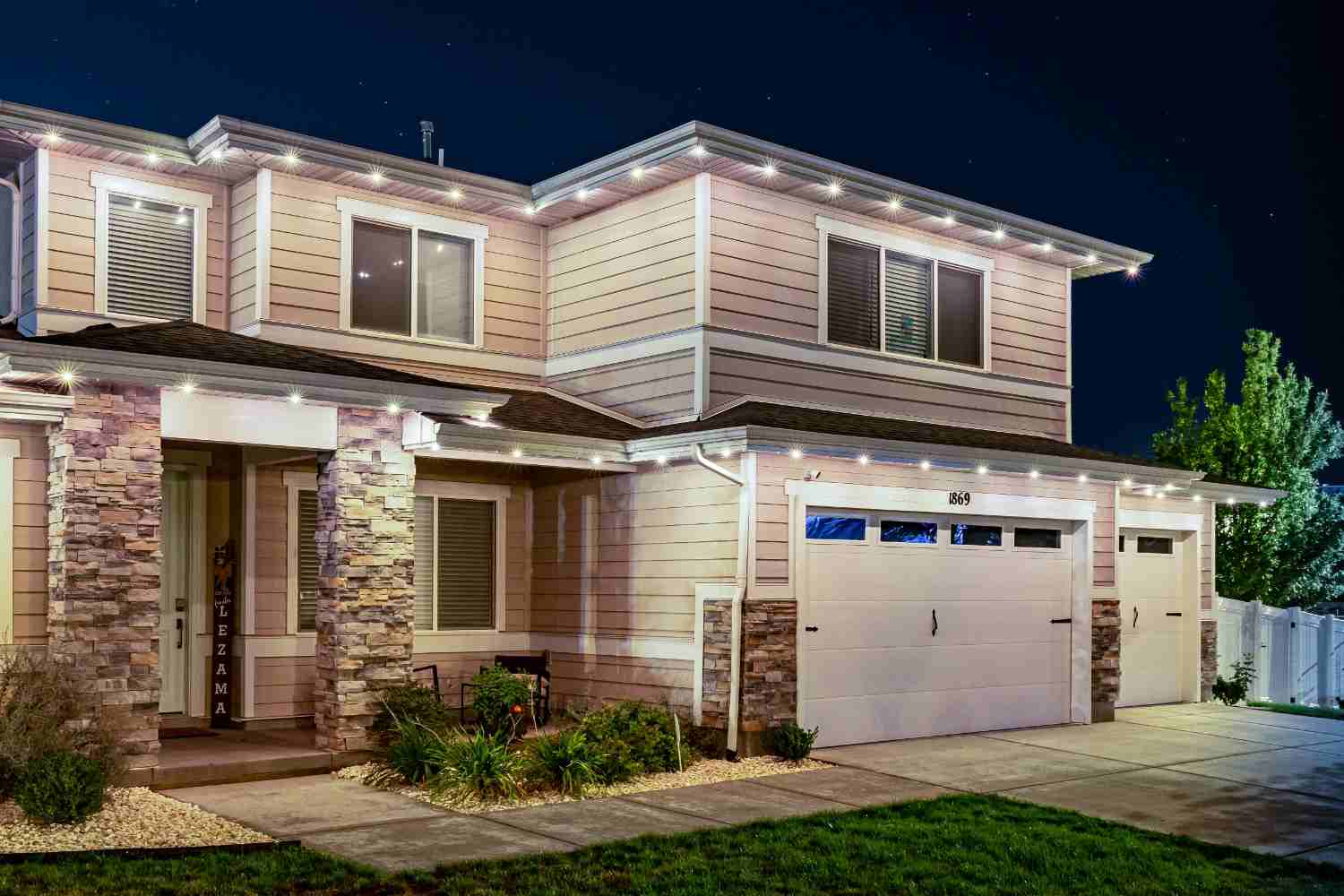
The best permanent outdoor lighting depends on our goals. We may want programmable roofline color, landscape accents, patio ambiance, pathway visibility, or palm tree lighting. Our home’s layout, budget, control preferences, and Phoenix weather exposure also shape the right choice.
Professional installation keeps permanent lighting practical and visually balanced over time. We recommend organized wiring, sound electrical planning, and clear service access.
Key Takeaways
- We match the lighting type to our primary goal: roofline lighting for seasonal displays, landscape lighting for property features, patio lighting for entertaining, and pathway lighting for safe wayfinding.
- We choose warm white lighting for a refined everyday look. Color-changing options add flexibility for holidays, celebrations, and custom exterior displays.
- We confirm system controls before installation. App access, timers, schedules, brightness settings, presets, and independent lighting zones provide better day-to-day control.
- We plan for Phoenix conditions, including intense sun, high heat, dust, wind, and monsoon storms. Quality-rated products and smart installation locations protect long-term performance.
- We compare estimates by the full project scope. We include design, installation, electrical requirements, warranties, workmanship coverage, and future service support.
The Right Permanent Outdoor Lighting Depends on What We Want It to Do
There is no single answer to what is the best permanent outdoor lighting for every home. The right system depends on the intended use, the area being lit, the desired appearance, control preferences, property layout, budget, and installation quality.
For Phoenix outdoor lighting and Maricopa County outdoor lighting projects, we also need to account for intense year-round heat, direct sun, dust, wind, monsoon conditions, roofline access, and electrical needs. Permanent outdoor lighting can reduce recurring decorating work and add useful illumination, but it is not automatically maintenance-free, fully weatherproof, or a replacement for dedicated security, safety, or code-compliant exterior lighting.
Decorative lighting can improve general visibility and curb appeal. Homes with specific security or safety concerns may also need purpose-built fixtures and an appropriate electrical or lighting assessment.
We generally recommend matching the lighting category to the primary goal:
Roofline lighting works well for programmable curb appeal, holidays, game days, celebrations, and everyday accent lighting. Landscape lighting highlights trees, walls, planting beds, and architectural details. Patio or bistro lighting creates comfortable ambient light for entertaining. Pathway and step lighting supports practical wayfinding. Palm tree lighting creates a distinctive desert-landscape look.
Compare Permanent Lighting Types by the Area and Goal We Have in Mind
| Lighting Type | Best For | Strengths | Considerations | Questions to Ask an Installer |
|---|---|---|---|---|
| Permanent roofline lighting | Holiday displays, game days, celebrations, and changing the exterior appearance with programmable colors | Creates visible curb appeal and can provide everyday accent lighting without seasonal ladder work | Fixture profile, eaves and fascia placement, roofline shape, spacing, street visibility, and future service access all affect the result | How discreet will the fixtures look during the day? Where will wiring and the controller be located? |
| Landscape lighting | Trees, planting beds, walls, focal points, and architectural features | Builds depth and visual interest across the property | Light direction, glare control, fixture placement, wire routing, and selected focal points shape the finished look | Which features should receive light, and how will glare be controlled? |
| Patio or bistro lighting | Outdoor dining, pergolas, seating areas, and backyard gathering spaces | Creates a comfortable ambient setting for entertaining | Placement needs to provide useful light without harsh glare or intrusive exposed wiring | How will the lights be supported, powered, and positioned around the seating area? |
| Pathway and step lighting | Walkways, entrances, stairs, and outdoor living areas | Improves practical wayfinding and visibility | Decorative fixtures should not replace code-appropriate safety lighting where it is needed | What areas need consistent visibility, and are dedicated safety fixtures appropriate? |
| Palm tree lighting | Accent palms and desert-style landscape features | Creates a distinct nighttime focal point in the yard | Light direction, placement, and wire routing determine whether the effect looks polished or distracting | Where should fixtures be placed to show the trunk and canopy without glare? |
Permanent roofline lighting is often the strongest fit for homes that decorate regularly. It may reduce recurring setup, removal, storage, and ladder use. At the same time, it is a larger up-front home improvement decision. Product selection and professional installation matter. We can help homeowners review permanent holiday lighting options based on the home’s architecture and how often the system will be used.
For outdoor living areas, thoughtfully placed patio lighting can make a pergola, dining area, or gathering space feel usable after sunset. Bistro lighting should create atmosphere without shining directly into seating areas or neighboring properties.
The Features That Make a Lighting System a Strong Fit for Our Home
Start with the intended use. A system selected for holiday colors may not be the same system we would choose for subtle year-round curb appeal. Likewise, lighting for entertaining has different priorities than lighting for walkways, landscaping, or event displays.
Design and discretion should guide every permanent installation. Roofline shape, eaves and fascia placement, fixture spacing, visibility from the street, and the relationship between lighting zones all affect the final appearance. We recommend choosing fixtures that complement the home during the day as well as at night.
Color and brightness also deserve careful attention. Warm white outdoor lighting often suits everyday architectural accent lighting and creates a classic appearance. Color-changing roofline lighting offers more flexibility for holidays, teams, parties, and seasonal displays. Still, every system has different color choices, pattern options, brightness settings, and control features. Dimmable outdoor lighting helps us lower output for a quieter evening look or raise it when greater visibility is desired.
Controls should be confirmed for the exact system under consideration. Available features may include outdoor lighting app control, timers, outdoor lighting schedules, saved presets, brightness adjustment, and independent zones. A controller is the component that receives commands from an app or remote and tells the lights what to do. Outdoor lighting zones are separate groups of lights that can operate independently, such as the front roofline and backyard patio.
Smart controls can be useful, but we should choose them because they solve a real need. Homes that want recurring schedules, different looks for separate areas, or easy adjustments may benefit from smart lighting automation. A straightforward system may be the better choice for homes that prefer simple operation.
Why Professional Installation and Local Conditions Matter
Installation quality matters as much as the lights themselves. A professional outdoor lighting installation requires secure mounting, clean outdoor lighting wire management, appropriate electrical planning, safe routing, controller placement, electrical access, and reasonable access for future service.
Phoenix permanent lighting installation also requires planning for strong sun, high heat, dust, wind, and monsoon weather outdoor lighting conditions. The installer should evaluate exposure levels and choose a layout that supports the intended appearance while keeping components and wiring organized.
For roofline work, we review the roofline shape, eaves and fascia placement, fixture spacing, wire routing, controller location, electrical access, visibility from the street, lighting zones, and serviceability. For landscape work, we plan fixture placement, light direction, glare control, and wire paths before installation begins.
Permanent lighting still needs quality materials, correct installation, appropriate electrical planning, and occasional inspection. Outdoor lighting maintenance needs vary with component quality, exposure, local weather conditions, warranty terms, and the condition of the installation over time. We recommend asking how the system can be accessed for future service before work begins.
Homes that need targeted visibility around entries, side yards, or darker areas may also benefit from dedicated security lighting. Decorative roofline or landscape lighting can support visibility, but it should not be treated as a substitute for purpose-built security fixtures.
What Affects the Cost of Permanent Outdoor Lighting?
Permanent outdoor lighting cost varies because every property has a different layout and scope. A permanent roofline lighting estimate may change based on home size, roofline length and complexity, fixture count, lighting category, color-control features, the number of zones, electrical requirements, access challenges, custom design needs, and installation labor.
Outdoor lighting installation cost factors also increase when multiple areas are included, such as the roofline, patio, landscape, pathways, and palms. A larger project may involve more fixture placement, longer wire runs, additional controls, or more detailed electrical planning.
A clear Phoenix outdoor lighting estimate should identify the design, included installation work, required electrical work, product warranty details, workmanship coverage, and available post-installation support. We recommend comparing the full scope of work rather than focusing only on the initial price.
Installer support should include a practical consultation process, design guidance, transparent estimates, workmanship coverage, outdoor lighting warranty and service details, and help after installation. Homeowners can review general planning information through our lighting pricing page before requesting a project-specific estimate.
Questions to Ask Before Choosing a Permanent Lighting System or Installer
How to Choose the Best Permanent Outdoor Lighting for Your Home
These outdoor lighting installer questions help us compare systems and proposals clearly:
- What areas of the property do we want to light?
- Do we want subtle white architectural lighting, seasonal colors, or both?
- Is the priority curb appeal, entertaining, holiday convenience, or visibility?
- Do we want schedules and app control?
- Should different parts of the property operate independently?
- How important is a discreet daytime appearance?
- What warranty and service support are included?
- What installation and electrical work is included in the estimate?
- Which lighting type best matches the goal: roofline, landscape, patio, pathway, or palm tree lighting?
- Can the proposed design reduce glare while still providing the desired appearance or visibility?
- Where will the controller, wiring, and electrical connections be located?
- Which app features are confirmed for the specific system, including scheduling, color selection, preset patterns, zones, or brightness adjustments?
- How will the installation account for intense sun, high heat, dust, wind, and monsoon conditions?
- What maintenance or inspection should we expect over time?
- What product warranty, workmanship coverage, and post-installation support are included?
Photos help clarify the look and scale of different options. We invite homeowners to review our outdoor lighting gallery for examples of roofline and exterior lighting designs.
Trimlight Phoenix can provide recommendations based on the roofline, outdoor spaces, lighting goals, and budget. Homeowners who want a permanent lighting consultation or detailed permanent outdoor lighting estimate can request a consultation without pressure.