
How Can LED Lighting Design Improve Your Outdoor Space?
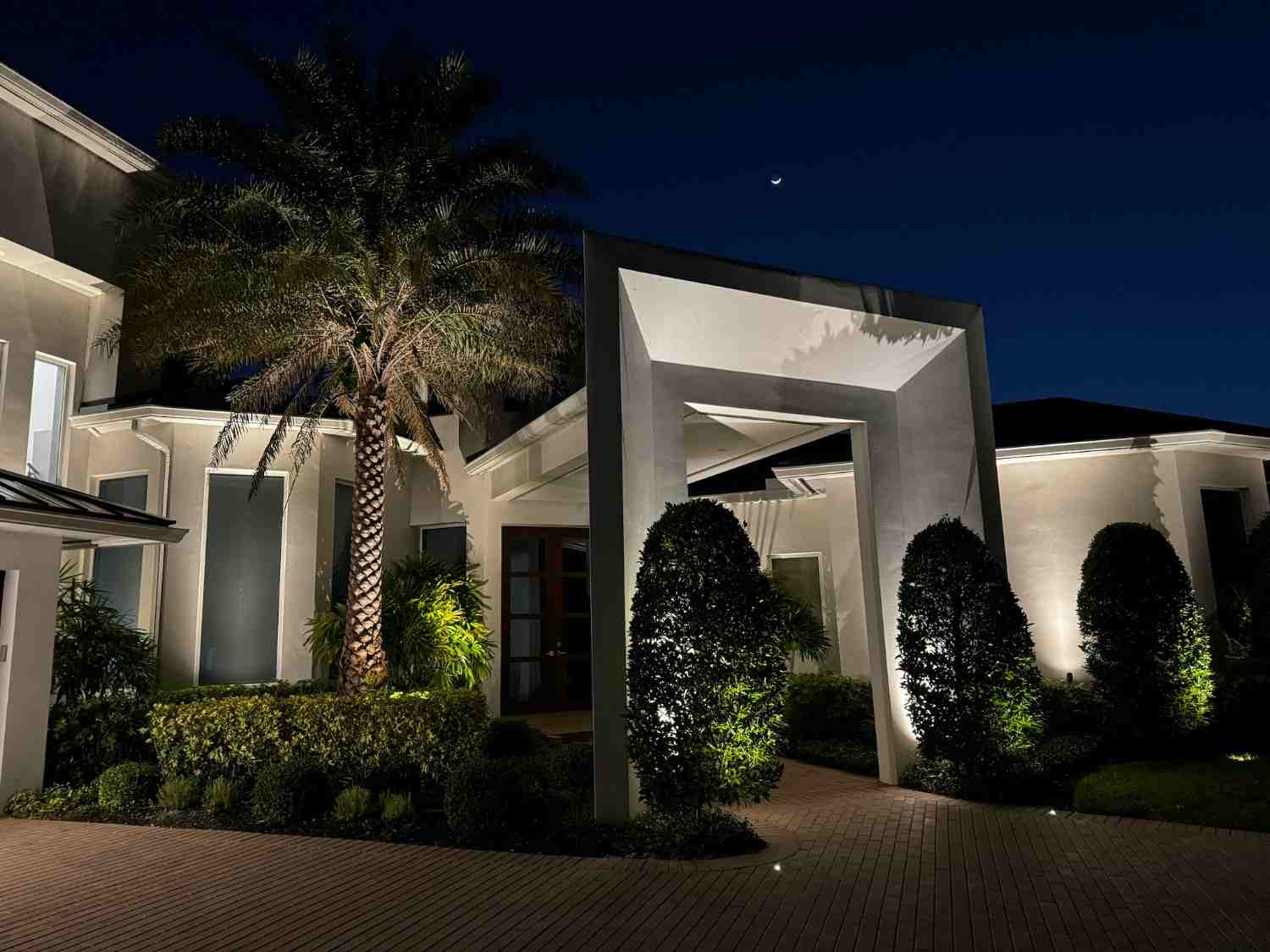
Thoughtful LED lighting design can transform outdoor spaces. We combine roofline, landscape, pathway, and patio lighting to strengthen curb appeal, improve visibility, and support after-dark activities. We create property-specific plans for Phoenix homeowners. These plans prioritize high-use areas, limit glare, separate lighting zones, and address heat, weather exposure, installation access, and budget.
Key Takeaways
- We layer ambient, accent, and task lighting to create a balanced outdoor setting without over-lighting the property.
- We start with high-use areas, including entries, walkways, patios, seating spaces, and key landscape features. We can expand the system in phases as needed.
- We recommend warm white lighting for daily architectural appeal. Color-capable options add flexibility for holidays, events, and special occasions.
- We use compatible controls with zones, schedules, and preset scenes. These features manage roofline, patio, pool, and landscape lighting independently.
- We provide property-specific assessments that address roofline layout, electrical requirements, fixture placement, weather exposure, wiring, and long-term service access.
What Thoughtful LED Lighting Can Improve Around Our Home
Thoughtful LED lighting design can make a Phoenix-area home more attractive, functional, and enjoyable after dark. The strongest plans start with how we use the property, whether that means welcoming guests at the entry, relaxing beside the pool, dining on the patio, or showing off the home’s architecture.
Well-planned exterior lighting supports year-round curb appeal, visibility around frequently used spaces, outdoor entertaining, holiday displays, and special-event lighting. Decorative lighting creates atmosphere and brings attention to rooflines, landscaping, architecture, and celebrations. Functional lighting helps us move comfortably around walkways, gates, steps, patios, outdoor kitchens, and seating areas.
A complete design often combines both purposes. Warm roofline lighting can create everyday curb appeal, pathway fixtures can define a route to the front door, and patio lighting can support outdoor meals. This layered approach gives the property a finished appearance without making every area equally bright.
Ambient lighting provides the overall mood. Accent lighting brings attention to architectural details, trees, plants, hardscape, and focal points. Task-oriented lighting supports specific activities and navigation, especially around paths, gates, kitchens, and seating areas.
For example, a family may want subtle warm white roofline lighting for a classic nightly display, plus color options for holidays and celebrations. A carefully planned permanent holiday lighting system can support both goals without requiring seasonal installation and removal.
Choose the Right Lighting for Each Outdoor Area and Goal
There is no single lighting solution that fits every Phoenix home. A useful LED landscape lighting design considers the home’s visible rooflines, stucco exterior, covered patio, pool, desert plants, palm trees, entry features, and the areas used most often after sunset.
Permanent roofline lighting works well for architectural accents, warm white displays throughout the year, and optional colors for holidays or events. Landscape lighting can highlight trees, desert plants, hardscape, entry features, and focal points while improving visibility in selected locations.
Patio or bistro lighting can make dining and lounging areas feel more inviting. Pathway, gate, and step lighting helps define travel routes in regularly used spaces. These fixtures support easier navigation, but decorative lighting alone should not be treated as a complete security or safety solution. Palm tree lighting can add vertical interest and draw attention to a signature landscape element when the property and installation method support it.
Consider a desert-style front yard with palms, stone features, and a recessed entry. Palm tree and landscape accents can create depth, while distinct lighting at the entry and walkway keeps the approach clear. We recommend starting with the spaces used most instead of trying to illuminate the entire property at once.
Design for a Balanced, Neighbor-Friendly Result
Effective lighting is intentional, layered, and appropriately bright. Adding more fixtures or brighter lamps does not automatically improve the result. Excess light can flatten the home’s appearance, create uncomfortable glare, and distract from the features that matter most.
We recommend highlighting focal points rather than washing every surface with light. Define entries, paths, patios, seating areas, and architectural lines. Aim fixtures away from windows, drivers, neighboring homes, and common seating positions. Leaving some areas darker creates contrast and gives the lighting plan visual depth.
Consider both views of the home: the street-facing appearance and the experience from within the yard. Roofline lighting may establish a clean exterior outline, while lower landscape and patio lighting makes the property more comfortable to use.
Warm white usually creates a classic and welcoming look for daily use. Color-changing options can support holidays, team colors, birthdays, and special occasions when the selected system offers them. Bold colors work best as deliberate accents rather than a constant high-intensity display that overwhelms the home or affects neighbors.
Color temperature describes the appearance of white light, ranging from warmer, more golden tones to cooler, bluer tones. RGB and RGBW refer to color-capable LEDs. RGBW systems may include a dedicated white LED, depending on product design. Features such as individual fixture control, music synchronization, remote access, and custom effects vary by product, so we should confirm available capabilities before selecting a system.
Use Lighting Zones, Schedules, and Controls for Everyday Convenience
Lighting zones are separately controllable parts of the property, such as the roofline, front landscape, backyard patio, or pool area. When a system supports zoning, we can use only the lighting needed at a given time instead of lighting the entire home.
A controller is the component that manages schedules, colors, scenes, or zones in compatible systems. Depending on the selected equipment, useful control options may include timers, scheduled on-and-off times, preset scenes, and mobile app access. We should verify these functions before making a final decision.
For example, a homeowner with a pool and covered patio may use separate zones for landscape accents, pathway visibility, and entertaining-area lighting. This allows the patio to remain inviting for guests while the rest of the backyard stays softly lit rather than brightly illuminated.
A property-specific LED lighting system design helps balance roofline, patio, pool, landscape, and pathway lighting. For compatible systems, smart lighting automation can make everyday use simpler while helping the lighting plan stay focused and controlled.
Plan for Phoenix Weather, Installation Conditions, and Long-Term Use
Phoenix conditions deserve careful attention during planning. Intense heat, direct sun, dust, monsoon weather, roof access, landscape conditions, outdoor electrical requirements, and neighborhood expectations can all affect installation and long-term performance. Product performance often depends on product quality, system design, usage, installation conditions, and exposure.
Some outdoor systems use low voltage, meaning a transformer reduces household voltage for compatible lighting. The transformer is the equipment that supplies the appropriate voltage for those fixtures. Proper equipment selection, fixture placement, and wire routing matter for both appearance and serviceability.
DIY installation may suit smaller, temporary, or simple projects for homeowners comfortable with setup and ongoing maintenance. A professionally installed permanent system can be a better fit for complex rooflines, concealed components, integrated controls, outdoor electrical work, and a cohesive lighting plan. It may also reduce the recurring work of putting up and storing seasonal lights.
Questions to Ask an Installer
Before choosing an installer, we should ask about the details that affect the finished result and future support:
- What mounting approach will be used, and how will wires be routed or concealed?
- How will fixture placement limit glare and support the intended lighting effect?
- Where will controllers, transformers, and other components be located?
- How will the system handle weather exposure, service access, and future adjustments?
- What do the workmanship warranty and product warranty terms cover?
- How are electrical work, roof access, mounting methods, and local requirements evaluated?
Understand Cost Factors, Long-Term Value, and When to Request a Consultation
Permanent outdoor lighting costs vary by home size, roofline complexity, fixture quantity and type, lighting zones, control features, electrical needs, installation access, landscape conditions, and whether the work is completed in phases. A property-specific assessment is the most reliable way to receive an accurate quote.
Long-term value can include less recurring effort hanging and removing temporary lights, a more consistent exterior appearance, expanded use of outdoor spaces after sunset, and flexible seasonal decorating. Results differ by property, system choice, and how the lighting is used, so we should focus on practical benefits rather than assumed returns.
What areas should be lit first? Start with the spaces used most often: the entry, main walkway, patio, seating area, or key landscape focal points. Expand in phases as priorities and budget allow.
Can permanent LED lighting be used year-round? Yes. Roofline lighting can provide warm white architectural accents for everyday use, with optional colors for celebrations when available on the selected system.
What is the difference between roofline and landscape lighting? Roofline lighting emphasizes the home’s architectural outline. Landscape lighting focuses on plants, trees, hardscape, entry features, and selected pathways.
Can different outdoor areas be controlled separately? Compatible systems may offer zones for areas such as the roofline, patio, pool, and landscape. Available control features depend on the system and controller.
Is warm white or color-changing lighting better? Warm white is often the preferred everyday choice for a classic appearance. Color-changing lighting adds flexibility for holidays and events. Many homes benefit from both options when the system supports them.
What affects project cost? Home size, roofline shape, fixtures, controls, electrical needs, access conditions, and the scope of installation all influence the estimate.
What should we ask before choosing a provider? Ask about installation methods, component placement, wiring, weather exposure, control options, service access, warranties, and future support.
For homeowners comparing roofline, landscape, bistro, or palm tree lighting, we can discuss goals, lighting locations, available controls, installation methods, and a project-specific quote through a lighting consultation.