
What Are the Benefits of Outdoor Lighting for Your Home?
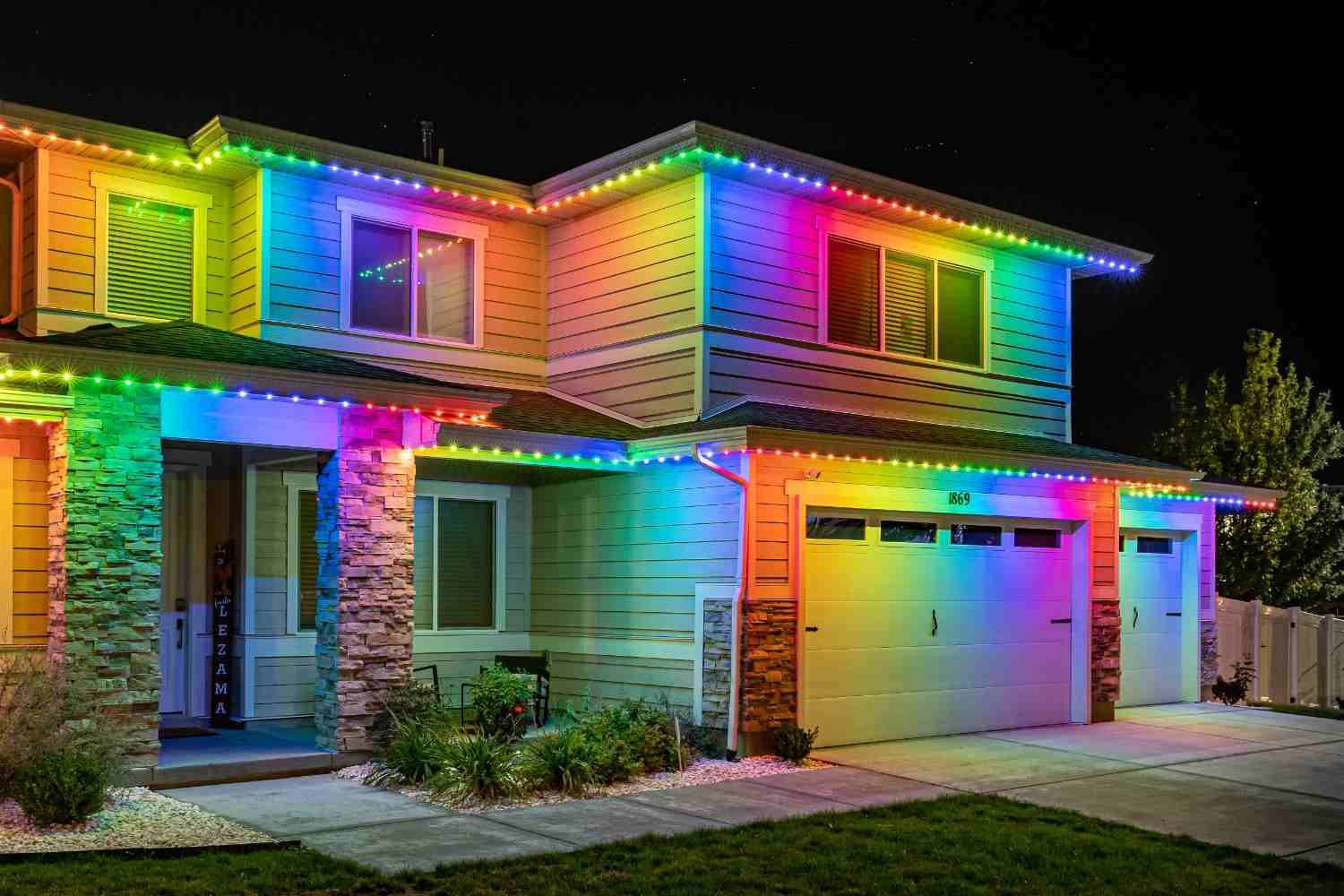
Outdoor lighting improves visibility around entrances, walkways, driveways, patios, and gathering areas. It helps Phoenix homeowners use their property with greater comfort after dark. A well-planned system can highlight rooflines, stucco, desert landscaping, palms, and outdoor living areas. We can also add flexible controls for daily accents, holidays, and special events.
Key Takeaways
- Outdoor lighting improves visibility and can help homeowners stay more aware of exterior activity. However, lighting can’t guarantee security or prevent crime.
- Roofline, landscape, pathway, patio, entry, driveway, and tree lighting serve distinct purposes. Each area needs a design that fits the property.
- Permanent LED lighting offers app-based color, brightness, zone, timer, and schedule controls. These systems remove the need for annual hanging, removal, and storage of temporary lights.
- Professional design and installation help us balance brightness, limit glare and light spill, and account for Phoenix heat, UV exposure, dust, wind, rain, stucco, and tile roofs.
- Project costs depend on home size, lighting scope, fixture choices, controls, electrical access, and installation conditions. Permanent systems may also require occasional cleaning, software updates, and service.
Outdoor Lighting Makes Exterior Areas Easier to Use
One of the main benefits of outdoor lighting is better visibility after sunset.
A dark walkway, porch, driveway, or patio can become harder to use at night. Well-placed lighting helps people see changes in level, steps, doors, furniture, and other features around the property.
Professional residential outdoor lighting can combine several lighting zones instead of relying on one bright fixture.
Focus First on High-Use Areas
The most useful areas to light often include:
- Front entrances
- Walkways
- Steps
- Driveways
- Garages
- Patios
- Side gates
- Outdoor seating areas
These areas do not all need the same brightness. A walkway may need soft, low-level light, while a front entrance may need stronger task lighting.
Better Visibility Can Support Exterior Awareness
Outdoor lighting can help homeowners see what is happening around entrances, driveways, gates, and other parts of the property.
This can support awareness after dark.
Professional security lighting may use carefully placed fixtures around vulnerable or high-use areas.
However, lighting cannot guarantee safety or prevent criminal activity.
Avoid Overly Bright Security Lights
More light does not always mean better visibility.
Very bright fixtures can create glare. They can also create deep shadows beyond the lit area.
Shielded fixtures and careful aiming can provide useful coverage without shining directly toward windows, streets, or neighboring homes.
Motion sensors may also work well in areas that do not need constant lighting.
Outdoor Lighting Can Highlight the Home’s Architecture
Exterior lighting can improve the appearance of a home after dark.
Phoenix homes may feature stucco walls, tile roofs, rooflines, stone accents, arches, palms, and desert landscaping.
The right lighting can help these features stand out without making the entire property equally bright.
Use Architectural Lighting Selectively
Rooflines, columns, entryways, and textured walls can become visual focal points.
Lighting every surface often reduces contrast.
Instead, highlight a few important features and allow darker spaces between them.
The broader outdoor lighting services available for a property can combine architectural, pathway, landscape, and decorative lighting into one coordinated plan.
Landscape Lighting Adds Depth to the Yard
Landscape lighting can make plants and outdoor features visible after sunset.
Professional landscape lighting may highlight palms, desert plants, trees, walls, garden beds, and other features.
Different Techniques Create Different Effects
Uplighting can emphasize the height of a tree or palm.
Downlighting can create softer illumination over pathways or planting areas.
Path lights can help define routes through the yard.
Accent lights can draw attention to a selected plant, wall, or decorative feature.
Using several techniques can create more depth than relying on one fixture type.
Patios and Outdoor Living Areas Become More Useful
Phoenix homeowners often use outdoor areas for dining, relaxing, and entertaining.
Lighting can extend the practical use of patios and gathering areas after sunset.
A good layout may combine:
- Task lighting near grills or kitchens
- Low-level lighting around seating
- Step lighting
- Path lighting
- Decorative accents
The goal is to provide enough light for the activity without making the space feel harsh.
Separate Lighting Into Zones
A patio may need different lighting levels throughout the evening.
Dining lights may operate at one level while landscape accents stay softer.
Separate zones provide more control and allow homeowners to adjust the setting for different activities.
Permanent Lighting Adds Flexibility Throughout the Year
Permanent lighting systems can support everyday accent lighting as well as holidays and events.
Therefore, permanent holiday lighting can provide programmable colors and scenes without requiring homeowners to reinstall temporary roofline lights each year.
Use the Same System for Different Events
Permanent LED lighting may support:
- Everyday warm white lighting
- Christmas colors
- Halloween themes
- Game-day colors
- Birthdays
- Parties
- Other celebrations
Homeowners can change the appearance of the system through controls rather than physically replacing the lights.
Smart Controls Make Lighting Easier to Manage
Modern lighting systems can provide more control than a simple on-and-off switch.
Professional smart lighting automation may include app-based control, schedules, timers, zones, scenes, and brightness settings.
Schedules Can Reduce Unnecessary Lighting
Lights do not need to stay on at full output all night.
A system can turn on around sunset and reduce brightness or turn off later.
Different zones may also follow different schedules.
For example, pathway lighting may stay active longer than decorative roofline lighting.
Permanent Lighting Reduces Seasonal Setup
Temporary holiday lights need to be installed, removed, and stored each year.
A permanent system can reduce this repeated work.
Homeowners who still prefer a traditional seasonal setup can also consider professional Christmas light installation.
The right option depends on how often the home is decorated and how much design flexibility the homeowner wants.
LED Lighting Can Support Efficient Operation
LED lighting uses less energy than many older lighting technologies while providing useful brightness and long operating life.
Properties with aging exterior fixtures may benefit from LED retrofit upgrades.
Efficiency Still Depends on the Design
LED fixtures alone do not guarantee an efficient system.
Using unnecessary fixtures, excessive brightness, or long operating hours can still waste energy.
Controls, proper fixture selection, and good placement help reduce unnecessary output.
Phoenix Weather Affects Fixture Selection
Outdoor lighting in Phoenix must handle more than normal nighttime use.
High heat, strong sunlight, UV exposure, dust, wind, and seasonal rain can affect fixtures, wiring, mounting hardware, and finishes.
Professional design considers these conditions before installation.
Roofing and Exterior Materials Matter
Many Phoenix homes use tile roofing, stucco walls, and other materials that require careful attachment methods.
Poor installation can damage finishes or create maintenance issues.
Fixtures should also be rated for outdoor exposure and installed according to their intended use.
Trimlight Phoenix can help plan exterior lighting around the architecture and environmental conditions of the property.
Commercial Properties Benefit From Similar Planning
Many benefits of outdoor lighting also apply to commercial properties.
Professional commercial outdoor lighting can support entrances, parking areas, walkways, building façades, customer areas, and signage.
Commercial systems may also need to account for longer operating hours, larger spaces, employee routes, and maintenance access.
Cost Depends on the Scope of the Project
There is no single price for an outdoor lighting system.
Project cost may depend on:
- Home size
- Number of lighting zones
- Fixture type
- Roofline length
- Landscape coverage
- Controls
- Electrical access
- Installation height
- Existing wiring
- Site conditions
A small pathway project will have different requirements from a full property system with permanent roofline lighting and smart controls.
Permanent Systems Still Need Some Maintenance
Permanent does not mean maintenance-free.
Depending on the system and environment, homeowners may need occasional:
- Fixture cleaning
- System checks
- Software updates
- Connection repairs
- Component replacement
Dust and outdoor exposure can make routine inspection useful.
Homeowners can review outdoor lighting services in Arizona when planning a project in the region.
Professional Design Helps Balance the Entire Property
The strongest outdoor lighting systems do not treat every area the same.
Entrances need different lighting from landscaping. Patios need different lighting from driveways. Rooflines need different fixtures from pathways.
Professional planning helps coordinate these areas while managing glare, brightness, controls, and installation details.
The goal is to improve how the property works after dark while keeping the lighting comfortable and visually balanced.
To discuss exterior lighting for your Phoenix home, contact us to review your property and lighting goals.
Frequently Asked Questions About the Benefits of Outdoor Lighting
What are the main benefits of outdoor lighting?
Outdoor lighting can improve nighttime visibility, make patios and walkways easier to use, highlight architectural and landscape features, and provide more awareness around exterior areas. Smart and permanent systems can also add flexible color and scheduling options.
Does outdoor lighting improve home security?
Lighting can improve visibility around doors, walkways, driveways, gates, and other areas. This can help homeowners stay more aware of exterior activity. However, outdoor lighting cannot guarantee security or prevent crime.
Is permanent outdoor lighting useful outside the holidays?
Yes. Permanent LED lighting can support warm white daily accents, holiday colors, special events, birthdays, and other custom scenes. Homeowners can change colors and schedules without reinstalling lights.
How much outdoor lighting does a home need?
The amount depends on the size and layout of the property. Start with entrances, paths, steps, driveways, and outdoor living areas. Then add landscape and architectural accents where they improve the overall design.
Does outdoor lighting require maintenance?
Yes. Outdoor systems may need occasional cleaning, inspections, software updates, or service. Phoenix heat, dust, UV exposure, wind, and rain can also affect fixtures and components over time.